East Hill • 28 September 2026

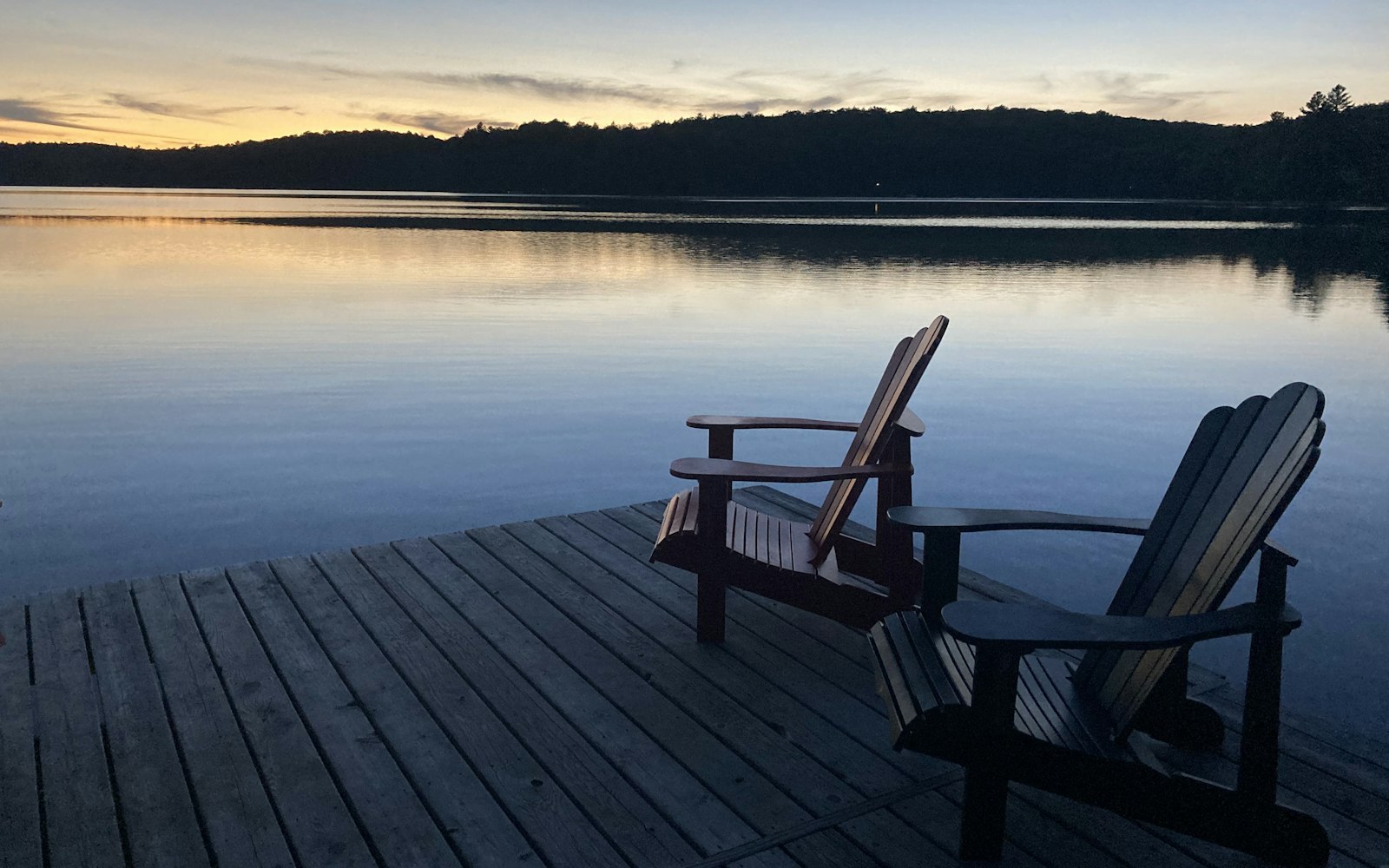
Selling Your Large East Hill Home to Move to the Lake

Quick answer: Moving from a large East Hill home to the lake works best when you plan the sale and purchase together: decide whether to sell first or buy first, line up financing, and do extra due diligence on any waterfront property, including docks and foreshore rules. Keeping the East Hill house as a rental or second home has tax and short-term rental rules to check first.

East Hill is only about 10 to 15 minutes by car from the beaches on Kalamalka Lake, and Okanagan Lake is also within easy reach of Vernon. So for many owners, a move to the lake isn’t about leaving Vernon. It’s about trading stairs and a big yard for a view and a dock. Here’s how to approach it.

Step 1: Know what your East Hill home is worth

Large East Hill homes vary a lot. A restored 1910s character home on a big lot, a mid-century family home and a newer infill house can all be “large,” but they attract different buyers and sell differently. Your BC Assessment reflects market value as of July 1 of the previous year, so it’s a starting point, not a price.

Before you shop for the lake, get a realistic value based on recent sales and current competition. I’m happy to prepare a free market snapshot, and you can see what’s currently available on my featured listings page.

Step 2: Decide whether to sell first or buy first

Selling first

  • You know exactly how much you have to spend.
  • You can write a clean, unconditional offer on a lake property.
  • The risk is that you may need somewhere to live in between, so ask for a longer completion date.

Buying first

  • You secure the lake home you want, which matters when good waterfront is scarce.
  • You may need bridge financing or an offer that’s subject to the sale of your East Hill home. Sellers often prefer offers without that condition.
  • You carry two properties if the sale takes longer than expected.

Talk to your lender early. Knowing your numbers before you fall in love with a view makes the whole process calmer.

Step 3: Get the East Hill home ready

Large older homes often have a list of small deferred items. Before listing:

  • fix safety issues and anything leaking;
  • gather permits and receipts for past upgrades (electrical, roof, heating, oil tank removal);
  • declutter and let the character features show;
  • tidy the yard, since many East Hill lots have mature trees and big gardens.

My selling your East Hill home page has a fuller checklist.

Step 4: Do your homework on the lake property

Waterfront and near-water properties need extra due diligence:

  • Docks and foreshore. In BC, the Province owns nearly all lake foreshore. A private dock needs to meet the terms of the Province’s General Permission or have a Specific Permission or lease. Ask the seller for any authorization and confirm the dock’s status.
  • Strata rules. Many lake-area homes are in strata complexes. Review the bylaws, minutes, depreciation report and any rules about moorage, rentals and pets.
  • Setbacks and development permits. Waterfront lots often have extra environmental rules for renovations and additions. Check with the City of Vernon, District of Coldstream or regional district, depending on location.
  • Insurance. Get an insurance quote before you remove conditions.
  • Year-round living. Check road access in winter, water supply and how the home is heated.

Thinking of keeping the East Hill house?

Some owners consider keeping the East Hill home as a rental or a second home. A few rules to know as of 2026:

  • Short-term rentals: BC’s principal residence requirement applies in Vernon, and a City business licence is required. In general, you can’t run a short-term rental in a house you don’t live in.
  • Long-term rentals: you become a landlord under BC’s Residential Tenancy Act. The 2026 maximum rent increase is 2.3%.
  • Speculation and vacancy tax: the City of Vernon is in the Province’s taxable area (Predator Ridge excepted), so a home left empty for much of the year may be taxed unless an exemption applies.
  • Principal residence: generally only one home per family unit can be designated as your principal residence for a given year.

This is general information only. Tax and legal rules change, so confirm with your accountant, lawyer, lender or the Province of BC before deciding.

FAQ

How far is East Hill from the lake?

Kalamalka Lake beaches are about 10 to 15 minutes by car from East Hill, so you can stay connected to downtown Vernon and your old neighbourhood.

Can I make my offer on a lake home subject to selling my East Hill house?

Yes, a subject-to-sale condition is possible, but some sellers see it as a weaker offer. Having your East Hill home listed or priced and ready can help.

Do I need permission for the dock on a waterfront property?

Private docks on BC lakes sit on provincial foreshore and must meet the Province’s General Permission terms or have a specific authorization. Confirm the status before you buy.

If lake life is calling, I’d be glad to help you plan both sides of the move. Call or text me at (250) 550-6979, or browse East Hill homes for sale.

More East Hill reading

Featured photo: stock image from Unsplash, for illustration.
East Hill • 28 September 2026

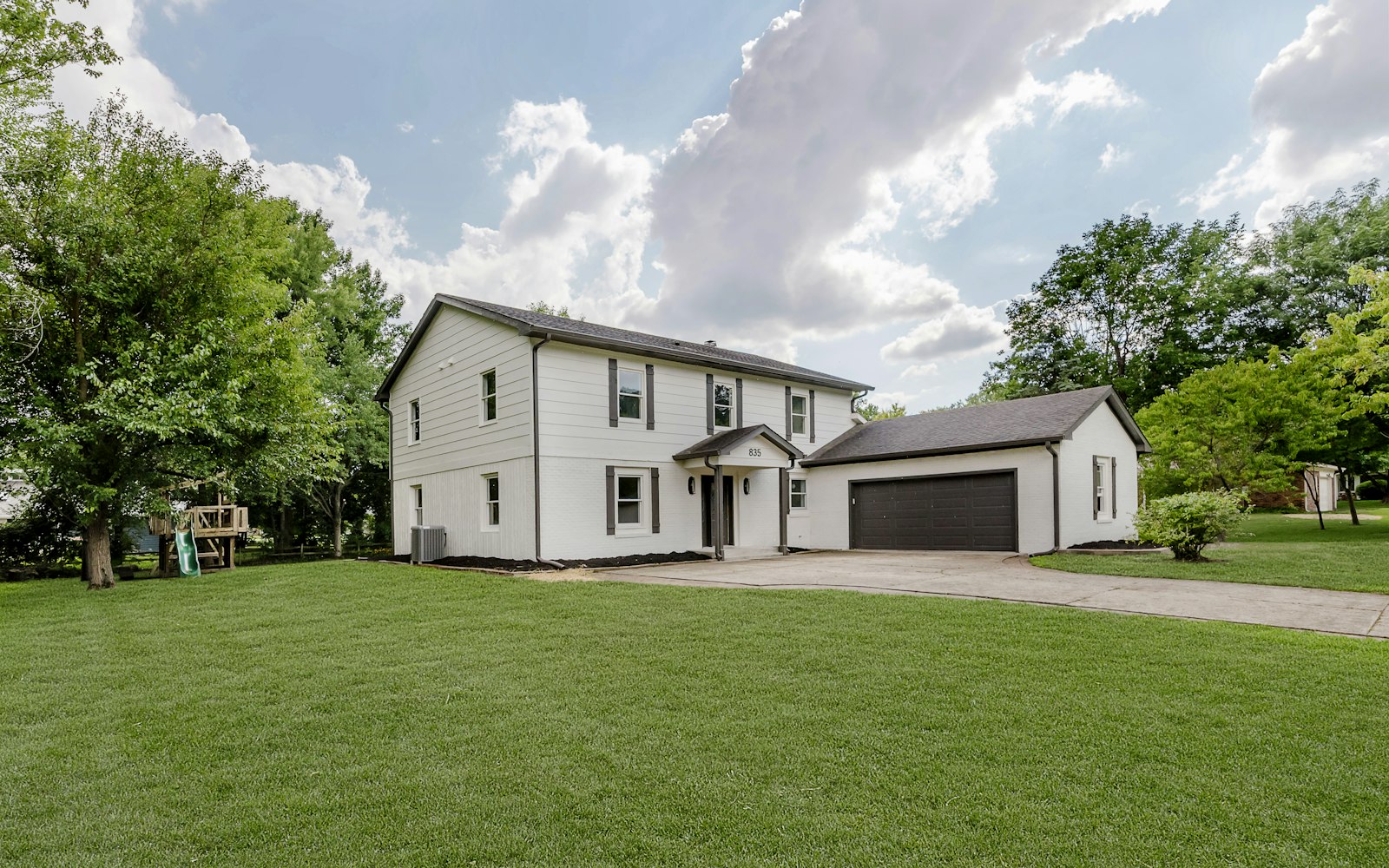
Converting an East Hill House to a Duplex: What’s Involved

Quick answer: Under Vernon’s Zoning Bylaw 6000, many serviced East Hill lots now allow a duplex without rezoning. The real work is in the building permit: fire and sound separation, safe exits, separate services and upgrades that older homes often need. If you want to sell the two units separately, strata-titling an existing occupied building needs City Council approval.

Converting a larger older house into two homes can create a rental unit, a place for family, or a way to share costs. East Hill has plenty of big houses on generous lots that might suit this. But a duplex conversion is a serious renovation, not just adding a lock to the basement door. Here’s what’s involved as of 2026.

Step 1: Check zoning and your lot

Vernon’s Zoning Bylaw 6000, adopted in June 2024, put most former single-family lots into the MUS (Multi-Unit: Small Scale) zone. That zone permits housing forms including duplexes and semi-detached homes. On serviced lots between 280 m² and 4,050 m², it allows the greater of four units or 60 units per hectare.

Before you get attached to a plan, confirm:

  • your lot’s zone on the City’s zoning map;
  • whether a development permit is needed for your project;
  • whether the home is on the Heritage Register or is a protected heritage property;
  • parking, access and the slope of your lot.

Step 2: Understand the building code work

Turning one home into two means meeting the BC Building Code for two separate dwellings. For an older East Hill house, that commonly involves:

  • Fire separation between units, including walls, floors, ceilings and doors.
  • Sound separation between units.
  • Smoke and carbon monoxide alarms, interconnected as required.
  • Safe exits for each unit.
  • Heating and ventilation that meets current requirements.
  • Electrical and plumbing upgrades. Older homes may have knob-and-tube wiring or galvanized plumbing that makes sense to replace while walls are open.
  • Structural review if walls are moved or stairs are changed.

A designer or architect familiar with conversions can tell you early whether your house lends itself to a duplex or whether a suite or carriage house would be simpler. Some projects need a registered professional.

Step 3: Services, fees and DCCs

  • Utilities. Ask the City of Vernon and Greater Vernon Water about water and sewer service requirements, and your electrical and gas providers about separate meters.
  • Development cost charges. Under Vernon’s interim approach, additional DCCs apply at building permit for new units such as duplexes. These include City charges and regional charges collected for the Regional District of North Okanagan.
  • Building permit fees set by the City’s fees and charges bylaw.

Step 4: Heritage considerations

If your house is a protected heritage property, exterior changes need a Heritage Alteration Permit. A Heritage Revitalization Agreement with the City can sometimes allow flexibility on use, density and siting in exchange for conserving the building. For older homes on East Hill, it’s worth asking the City early. You can read more about the neighbourhood’s history in my post on East Hill’s 1890s heritage homes.

Step 5: Decide how you’ll own and use it

Keep it as one title

Most owners keep the duplex on one title and either live in one unit or rent both. Renting makes you a landlord under BC’s Residential Tenancy Act. The maximum allowable rent increase for 2026 is 2.3%.

Strata-title the units

If you want to sell the two units separately, converting a previously occupied building into strata lots requires approval under section 242 of BC’s Strata Property Act. In a municipality, the approving authority is City Council. Talk to the City and a lawyer before counting on this.

Tax implications

Renting part of your home, or selling a unit, can change your tax picture, including how the principal residence exemption applies. If you buy a property and sell within 730 days, BC’s home flipping tax may also apply unless an exemption fits.

This is general information only. Please confirm zoning, code and tax details with the City of Vernon, a qualified designer, your accountant and your lawyer.

Is a duplex the right choice?

I’ve built and renovated more than seven homes, and a duplex conversion is one of the bigger jobs you can take on in an older house. Compare it with other options:

  • a secondary suite within the house, which is usually simpler;
  • a carriage house, which keeps the main house intact;
  • selling to a buyer who wants to do the conversion.

My post on adding a suite or carriage house in East Hill covers those alternatives.

FAQ

Can I turn my East Hill house into a duplex without rezoning?

In many cases, yes. Most former single-family lots in Vernon are now zoned MUS, which allows duplexes. You’ll still need a building permit and must meet the building code.

Can I sell each side of the duplex separately?

Only if the units are legally subdivided or strata-titled. Converting an existing occupied building to strata requires City Council approval under the Strata Property Act.

What’s the biggest challenge in converting an older home?

Usually the building code work, especially fire and sound separation and upgrading older electrical and plumbing systems.

If you’re weighing a duplex conversion or looking for an East Hill home with that potential, I’d be glad to help. Call or text me at (250) 550-6979, or browse East Hill homes for sale.

More East Hill reading

Featured photo: stock image from Unsplash, for illustration.
East Hill • 28 September 2026

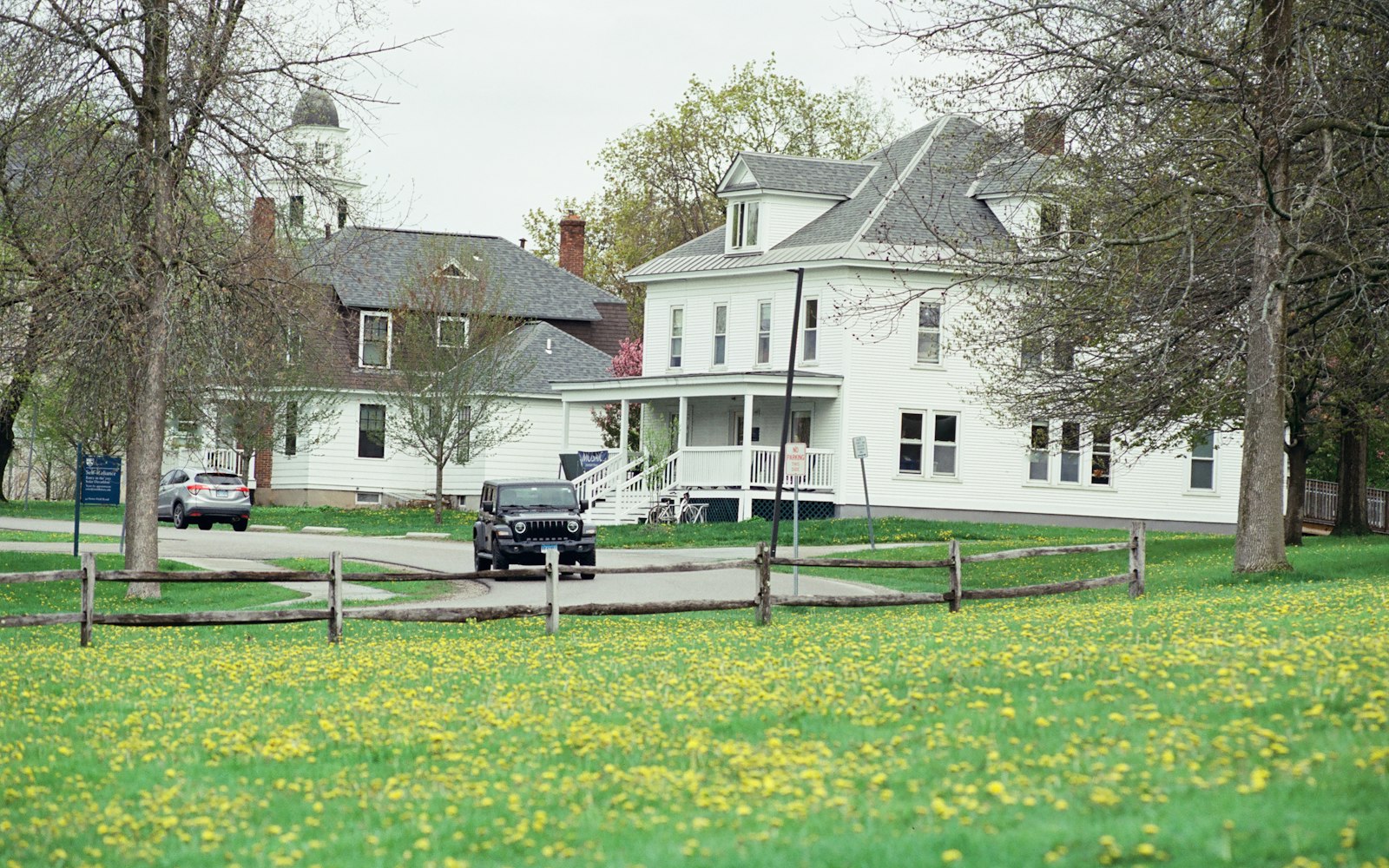
Starter Homes in East Hill: Townhomes, Half-Duplexes and Fixer-Uppers

Quick answer: In East Hill, a first home might be a townhome, a half-duplex, a smaller older house that needs work, or a home with a suite. Each has trade-offs in price, upkeep and rules. What’s available changes month to month, so watch the listings and know what each type involves before you write an offer.

East Hill is one of Vernon’s established neighbourhoods, right beside downtown, with many older homes. Starter options still come up. They just don’t all look the same. Here’s how I’d compare the common ones.

Townhomes and strata homes

A townhome is usually part of a strata. You own your unit and share ownership and costs of the common property with the other owners.

What works

  • Less outside maintenance, since the strata often handles roofs, exteriors or landscaping.
  • Often a lower entry point than a detached house in the same area.
  • A newer building can mean fewer surprises with wiring, plumbing and heating.

What to check

  • Monthly strata fees and what they cover.
  • The strata’s bylaws, including rules on pets, rentals and renovations.
  • Meeting minutes, the depreciation report and the contingency reserve fund. These show whether big repairs are coming and whether there’s money set aside.

Make reviewing the strata documents one of your subjects, and have your lawyer or notary look at anything that worries you.

Half-duplexes

A half-duplex is one side of a building with two homes. In BC, some duplexes are stratified, and some aren’t.

What works

  • It often feels more like a house, with your own entrance and sometimes a yard.
  • If it’s a small strata of two, the fees can be low or nil. Many decisions are made between you and your neighbour.

What to check

  • How title is held and whether there’s a strata or a shared agreement.
  • Who pays for shared items like the roof, and how you’d make those decisions with the other owner.
  • Whether your lender is comfortable with the ownership structure.

Fixer-uppers

Many of East Hill’s houses are decades old, and a few go back more than a century. A home that needs work can be the most affordable way into a detached house here. It can also become the most expensive if you don’t plan.

I’ve built or renovated more than seven homes, and a fixer-upper can work well. The key is picking the right one.

Good fixer-upper signs

  • The problems are mostly cosmetic: paint, flooring, kitchens, bathrooms.
  • The “bones” are sound: foundation, roof structure and drainage.
  • The layout works for you without moving walls.

Proceed carefully if you see

  • Old wiring, galvanized plumbing or signs of a past oil tank, which can affect insurance and cost.
  • Foundation cracks, water in the basement or sloping floors.
  • Materials that could contain asbestos. WorkSafeBC says homes built before 1990 are likely to contain some, and recommends testing before renovating.

My local’s checklist for buying an older home in East Hill covers these in more detail. Get quotes from contractors during your subject period if you can, not after you own the house.

Homes with a suite

A home with a suite can be a starter home that helps pay for itself. The City of Vernon now allows secondary suites and accessory dwellings like carriage houses on many residential lots under BC’s small-scale multi-unit housing rules.

Before you count on the rent, check whether the suite has permits and meets code. My post on adding a suite or carriage house in East Hill explains more.

Which one fits you?

  1. Want low maintenance? A townhome or newer strata home.
  2. Want a yard without full-house costs? A half-duplex.
  3. Handy, patient and have a repair budget? A fixer-upper.
  4. Need help with the payments? A home with a legal suite.

Prices change, so I don’t quote them here. The live East Hill homes for sale search shows what’s available right now.

This is general information. Confirm financing, strata and legal questions with your lender, lawyer or notary.

FAQ

Are there many townhomes in East Hill?

East Hill is an established neighbourhood with a lot of older detached homes, so strata options may come up less often than in newer areas. Set up a saved search so you hear about them quickly.

Can I use first-time buyer programs on a fixer-upper?

Generally yes. Programs like BC’s property transfer tax exemption and the FHSA depend on you, the price and how you’ll use the home, not its condition. Check each program’s current rules.

Should I get an inspection on a strata townhome?

Yes. A licensed inspector looks at your unit, and the strata documents tell you about the building as a whole. You want both.

If you’d like help sorting through starter options in East Hill, call or text me at (250) 550-6979, or browse East Hill homes for sale.

More East Hill reading

Featured photo: stock image from Unsplash, for illustration.
East Hill • 28 September 2026

Staging an Older Home So Buyers Fall for Its Character

Quick answer: Staging an older East Hill home is about letting its character show: clear the clutter, scale the furniture to the rooms, brighten everything, and put the spotlight on original features like woodwork, built-ins, floors and the front porch. The aim is to help buyers imagine living there, not to make it look brand new.

Character homes have something newer houses can’t copy, but it’s easy for that charm to get lost under decades of belongings, heavy drapes and dark corners. Good staging lets buyers see the house the way you first did. Here’s a practical approach for East Hill’s older homes.

Start by editing, not decorating

Older homes often have smaller rooms and fewer closets than modern houses. Too much furniture makes them feel cramped.

  • Remove about a third of your furniture and most small items from surfaces.
  • Empty closets halfway, so storage looks adequate.
  • Clear the basement and attic paths, so inspectors and buyers can see foundation walls, the electrical panel and the furnace.
  • Pack up personal photos and collections.

Rent a storage unit or a portable container if you need to. It’s one of the most effective staging dollars you’ll spend.

Put the spotlight on character features

Figure out what makes your home special and arrange each room to draw the eye there:

  • Woodwork and trim. Clean it, touch up chips, and don’t block it with furniture.
  • Built-ins and window seats. Style them simply with a few books or a plant.
  • Original floors. Clean and polish them. A single rug can define a space without hiding the wood.
  • Fireplaces and mantels. Keep the mantel mostly clear so the fireplace itself is the feature.
  • Stained or leaded glass. Keep window coverings open so the light comes through.
  • The front porch. Many East Hill homes have porches that buyers fall for. Sweep it, add two chairs and a plant, and fix any loose boards.

Brighten every room

Older homes can feel dark, especially on overcast days or in winter.

  • Take down heavy drapes and replace them with light panels, or leave windows bare.
  • Add lamps to dark corners, and use bulbs with the same warm colour throughout.
  • Paint dark or dated walls in soft neutrals. Keep original stained wood trim as-is unless it’s damaged.
  • Clean all windows inside and out.

Scale furniture to the rooms

Oversized sectionals and king beds can overwhelm older rooms. If you can, swap in smaller pieces or remove extras so buyers can walk through easily. Show a clear purpose for every room, even odd ones. A small nook can be a reading corner, and a sunroom can be a home office.

Handle the “old house” details

Buyers of older homes are watching for signs of problems. Staging should reassure them:

  • Fix small things: sticking doors, loose handles, dripping taps and burnt-out bulbs.
  • Freshen smells: air out basements, run a dehumidifier if needed, and avoid heavy scents that look like you’re covering something up.
  • Tidy the utility areas: a clean, well-lit furnace room and panel area signal a well-kept home.
  • Leave records out: a simple binder of permits and upgrade receipts on the dining table can answer questions before they’re asked.

For a sense of what buyers will be looking at, see my post on buying an older home in East Hill.

Outside matters just as much

Many East Hill lots have mature trees and big gardens. Before photos:

  • prune shrubs and trees away from the house and windows;
  • edge beds, mow and add fresh mulch;
  • clean gutters and sweep walkways and steps;
  • make house numbers easy to see from the street.

Buyers often drive by before they book a showing, so the view from the street is your first impression.

FAQ

Should I hire a professional stager for an older home?

It can help, especially if the home is vacant or the furniture doesn’t suit the rooms. Many sellers can also do a lot on their own by decluttering, brightening and highlighting original features.

Should I paint over original wood trim to make it look modern?

Generally, no. Original stained wood trim is one of the features character-home buyers look for. Clean and repair it instead.

Is it better to stage a vacant character home?

Yes, at least the main rooms. Empty older rooms can look smaller and show every flaw, while a few well-chosen pieces help buyers understand scale and use.

If you’re getting an East Hill home ready for market, I’m happy to walk through it with you and suggest where to focus. Visit my selling your East Hill home page, call or text me at (250) 550-6979, or browse East Hill homes for sale.

More East Hill reading

Featured photo: stock image from Unsplash, for illustration.
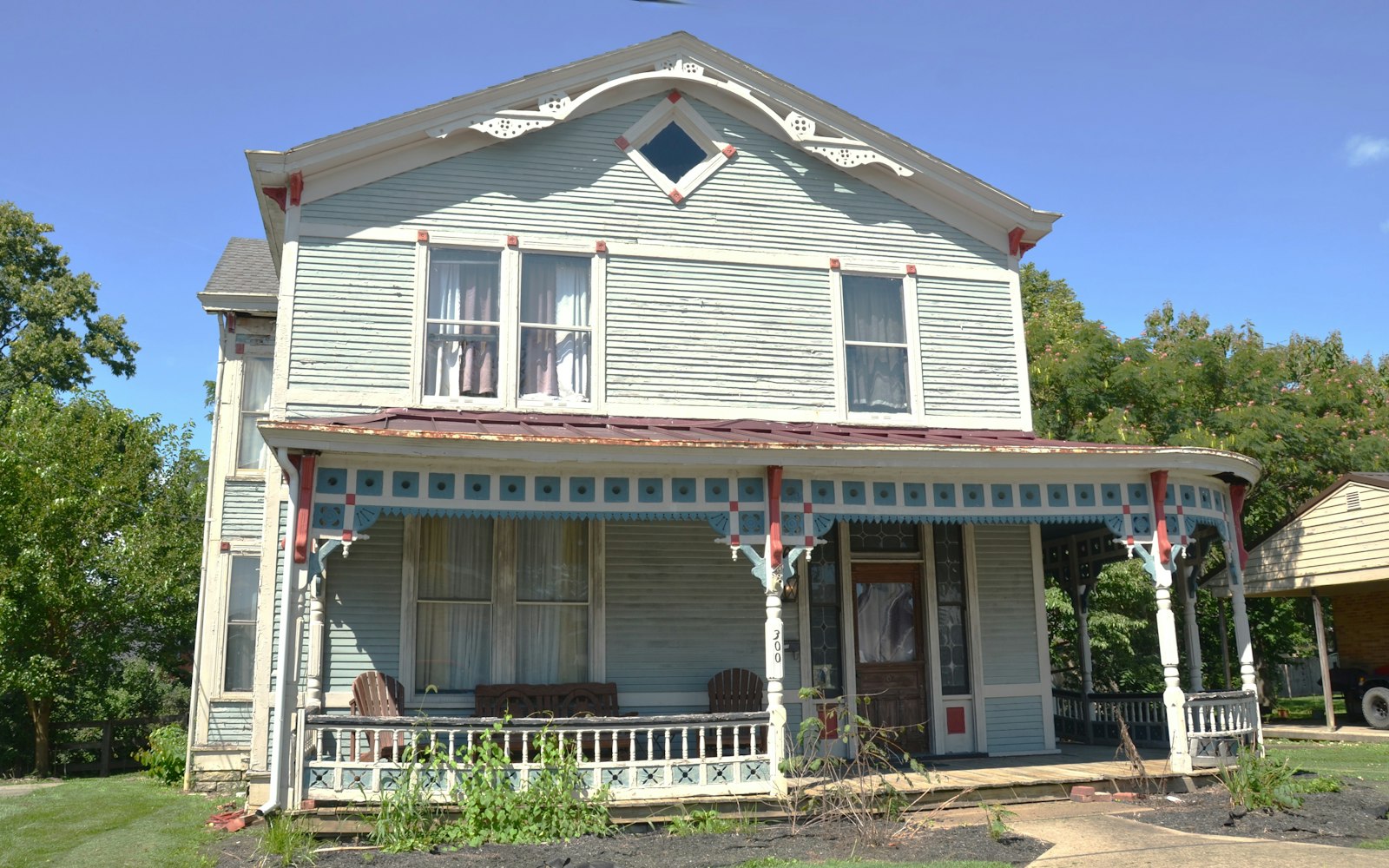
East Hill • 28 September 2026

Character Home vs. Heritage Home in Vernon: What’s the Difference?

Quick answer: In Vernon, “character home” is an informal real estate term for an older house with original charm, while “heritage home” usually means a property on the City of Vernon Heritage Register, or one protected by a designation bylaw or Heritage Revitalization Agreement. Only the second one comes with any official status.

People use these two phrases as if they mean the same thing. On East Hill, where I live, you’ll see both in listings on the same street. They’re not the same, and knowing the difference can save you surprises on permits, grants and resale.

What “character home” means

“Character home” isn’t a legal category in Vernon. It’s the word agents, buyers and sellers use for an older house with features you don’t find in new construction. On East Hill that often means things like:

  • deep front porches or verandas;
  • original wood windows, trim and doors;
  • fir floors, built-ins and plaster walls;
  • steep rooflines, dormers and decorative shingles;
  • mature trees on a generous, established lot.

A character home can be 1910s, 1930s or post-war. It carries no special rules just because it’s old and pretty. You renovate it under the same zoning and building permit process as any other house in the city.

What “heritage home” means in Vernon

The City of Vernon keeps a Heritage Register, first adopted by Council in February 2000 and updated over the years (the current version is dated April 9, 2026). It lists buildings the City has identified as having heritage value, with notes on each one’s age, style and history. Many East Hill houses are on it.

Within that list there are two very different levels:

1. Listed on the register

Most properties on the register are simply listed. The City itself says that being on a community heritage register “does not in itself constitute permanent heritage protection.” The register helps the City identify heritage resources, let owners know about heritage considerations and keep an eye on proposed changes through the permit process. Council has also removed properties from it over the years.

2. Designated or covered by an HRA

A smaller group of properties is legally protected, either by a heritage designation bylaw or a Heritage Revitalization Agreement (HRA). On East Hill, Campbell House at the top of 30th Avenue and the Sommerville house (today’s Caetani Cultural Centre) on Pleasant Valley Road are both marked as designated. For these homes, exterior work generally needs a Heritage Alteration Permit from the City.

So a “heritage home” in a listing could mean either level. Always ask which one.

Why the difference matters to you

If you’re buying

  • Renovation plans. A designated home or one with an HRA can limit what you change on the outside. A character home with no status doesn’t have those limits.
  • Grants. Only homes on the Heritage Register qualify for the City’s heritage grants (more on those below).
  • Due diligence. An HRA is a legal agreement tied to the property. Your lawyer should review it before your subjects come off.

If you’re selling

Be precise in how your home is described. If it’s on the register but not designated, say so. Buyers who hear “heritage” sometimes assume heavy restrictions and walk away from a house that has none. If you’re thinking about selling, my page on selling your East Hill home covers how to present an older house well.

City heritage grants (for register properties)

As of 2026, the City of Vernon offers two grant programs for owners of properties on the Heritage Register:

  • Heritage Restoration Grant: up to $5,000 (maximum 50% of costs) for a first grant, and up to $3,000 for a second grant at least five years later. It covers exterior restoration, foundations and roof structures. Approval comes before the work starts.
  • Heritage Retention Grant: up to 50% of eligible costs, capped at $500 per property per year, for things like exterior repairs, heritage paint colours, permanent plantings and arborist pruning. Applications are due by January 31 for the previous year’s work.

Amounts and rules can change, so check the City of Vernon’s heritage pages before you count on either one.

This is general information, not legal advice. Confirm a property’s status and any obligations with the City of Vernon and your lawyer.

How to check a home’s status

  1. Look up the address in the City of Vernon Heritage Register (a PDF on vernon.ca). Designated sites are marked with an asterisk.
  2. Ask the City’s planning department whether a designation bylaw or HRA is registered on the property.
  3. Have your lawyer review the title for any registered agreements.

If you want to see some of East Hill’s oldest register homes, I wrote about the 1890s heritage homes on Pleasant Valley Road.

FAQ

Is every old house on East Hill a heritage home?

No. Plenty of older East Hill homes aren’t on the City’s Heritage Register at all. They’re “character homes” in everyday language but have no official heritage status.

Can I renovate a house that’s on the Heritage Register?

Usually, yes. Listing on its own isn’t permanent protection. Homes protected by a designation bylaw or HRA generally need a Heritage Alteration Permit for exterior work, so check with the City first.

Does heritage status affect my property taxes?

Not automatically. Your assessment comes from BC Assessment. Ask the City about any heritage incentives that might apply to a specific property.

Thinking about buying or selling an older home on East Hill? Call or text me at (250) 550-6979, or browse East Hill homes for sale.

More East Hill reading

Featured photo: stock image from Unsplash, for illustration.
East Hill • 28 September 2026

Subdividing or Building Infill on an East Hill Lot

Quick answer: Since Vernon adopted Zoning Bylaw 6000 in June 2024, many serviced East Hill lots can hold more than one home without rezoning, often up to four units depending on lot size. Subdividing into separate lots is a different, longer process through the City’s Subdivision Approving Officer. Slope, servicing, heritage status and development cost charges all shape what’s practical on any given lot.

East Hill has a lot of generous older lots, some with big gardens and room to spare. With the Province’s small-scale multi-unit housing rules now built into Vernon’s zoning, many owners are asking whether they can add a home, split the lot or sell to someone who will. Here’s an overview of the options as of 2026.

What Vernon’s zoning now allows

Vernon’s Zoning Bylaw 6000 replaced Bylaw 5000 in June 2024. It brought in the Province’s small-scale multi-unit housing (SSMUH) requirements. Most lots that used to be single-family now fall under the MUS (Multi-Unit: Small Scale) zone, though you should always confirm your lot’s zone on the City’s zoning map.

In the MUS zone, the maximum number of units depends on servicing, lot size and transit access:

  • Serviced lots under 280 m²: up to 3 dwelling units.
  • Serviced lots from 280 m² to 4,050 m²: the greater of 4 dwelling units or 60 units per hectare.
  • Serviced lots near frequent transit: the greater of 6 dwelling units or 60 units per hectare.

Building heights are capped at 11 m (3 storeys) for dwelling units and 8 m (2 storeys) for accessory dwellings. The City has said the bylaw will continue to be refined and aligned with the Official Community Plan, so check the current version before you plan.

Infill vs. subdivision: what’s the difference?

Infill on one lot

Adding a secondary suite, a carriage house, or replacing the house with a duplex or small multiplex, all on one title. This usually needs a building permit (and sometimes a development permit), but not rezoning if it fits the MUS rules. You keep one property.

Subdividing into separate lots

Creating two or more legal lots, each with its own title, that can be sold separately. The MUS zone sets a minimum lot size of 250 m² for subdivision. Each new lot must be serviced and meet the zoning’s size and width rules.

How subdivision works in Vernon

The City of Vernon’s Subdivision Approving Officer oversees the process. In general:

  1. Pre-application meeting. Email the City’s planning department with your address, what you’d like to do and a preliminary sketch.
  2. Formal application with plans.
  3. Referrals and review by City departments and outside agencies.
  4. Preliminary Layout Review (PLR) letter from the Approving Officer, setting out conditions such as servicing, road works, and any parkland or environmental requirements. A PLR is valid for up to two years, with one possible one-year re-approval.
  5. Engineering design and servicing works.
  6. Final approval, including payment of development cost charges.
  7. Registration of the new lots at the Land Title Office, based on plans from a BC Land Surveyor.

Costs and hurdles to plan for

  • Development cost charges (DCCs). Vernon collects City DCCs and the Regional District of North Okanagan collects regional DCCs. Under the City’s interim approach, one DCC is collected at subdivision and additional DCCs apply at building permit for extra units like suites and duplexes.
  • Servicing. Water, sewer, storm drainage and possibly frontage upgrades. Older streets may need more work.
  • Slope. East Hill is a hillside. Steep lots can mean retaining walls, geotechnical reports and more complex driveways.
  • Access. A lane makes infill much easier. Without one, driveway access for a second home can be tricky.
  • Trees and existing house. Mature trees and the position of the current home may limit where a new building fits.
  • Professional fees. Surveyor, designer or architect, engineer, and possibly a planning consultant.

If you’re in the provincial property tax deferment program, note that subdividing triggers repayment of the full balance.

This is general information only. Zoning and DCC rules change, so confirm with the City of Vernon, and speak with your lawyer, accountant and lender before committing.

Heritage homes and infill

If your home is a protected heritage property, exterior changes need a Heritage Alteration Permit. The City can also negotiate a Heritage Revitalization Agreement, a legal agreement that can vary zoning rules such as use, density and siting in exchange for conserving a heritage building. For some East Hill properties, that can be a way to keep a character home and add new housing on the lot. For background, see my post on East Hill’s 1890s heritage homes on Pleasant Valley Road.

Build, or sell to a builder?

Because I work in building and development as well as residential sales, I can help you look at both paths. Doing it yourself can capture more value but takes time, money and risk. Selling a lot with clear development potential can be simpler. A realistic look at your lot comes first. My post on adding a suite or carriage house in East Hill is a good starting point for smaller projects.

FAQ

Do I need to rezone my East Hill lot to build more than one home?

Often not. If your lot is zoned MUS and serviced, Zoning Bylaw 6000 may already allow up to four units, depending on size. Confirm with the City of Vernon.

What’s the minimum lot size for subdivision in Vernon’s MUS zone?

The MUS zone sets a minimum of 250 m² for new lots, along with width and servicing requirements.

How long does subdivision take?

It varies with complexity and servicing. The Preliminary Layout Review letter alone is valid for up to two years, so plan for a process that can take months or longer.

If you’d like a practical look at what your East Hill lot might allow, call or text me at (250) 550-6979, or browse East Hill homes for sale.

More East Hill reading

Featured photo: stock image from Unsplash, for illustration.
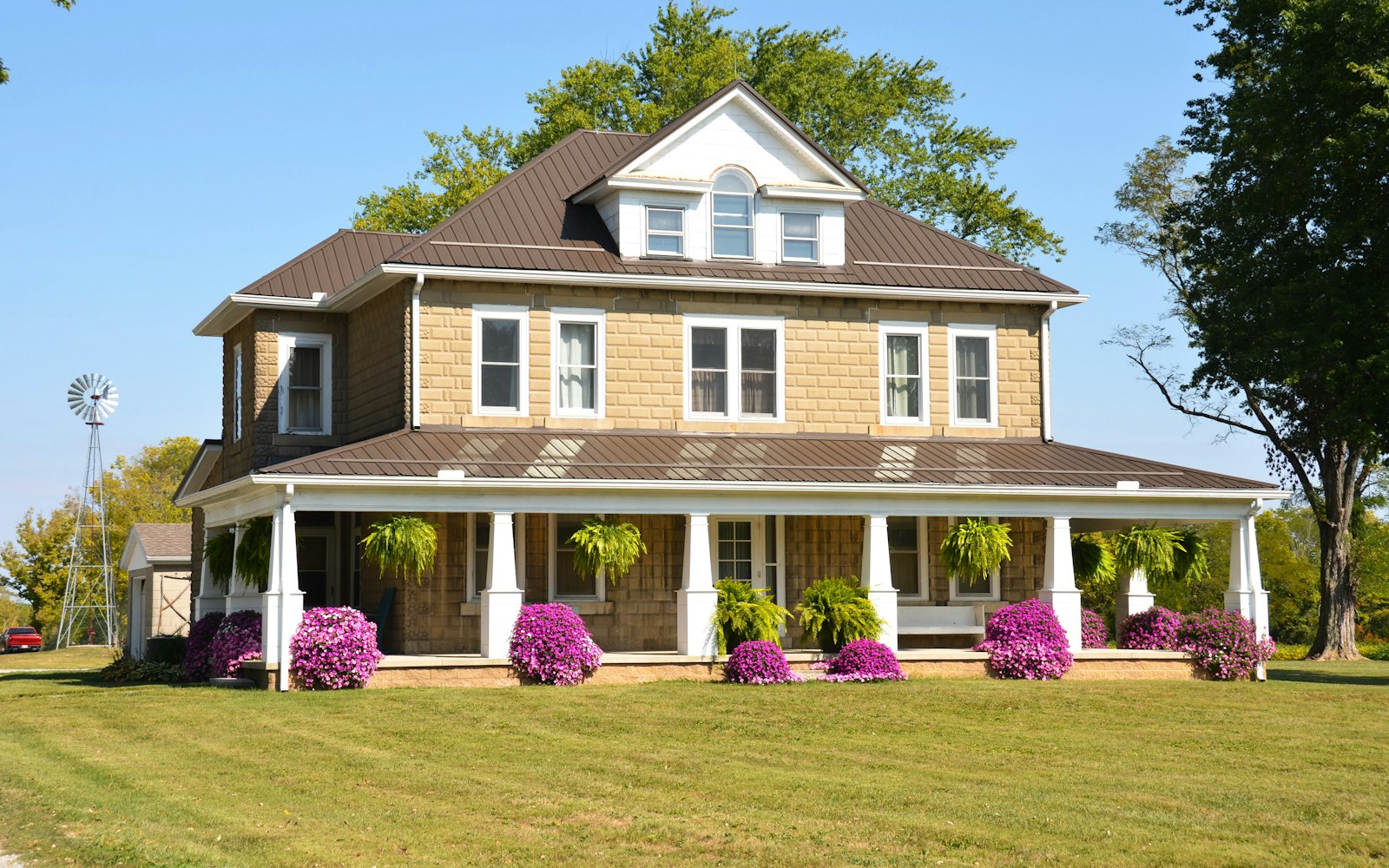
East Hill • 28 September 2026

The City of Vernon Heritage Register: What It Means If You Own (or Buy) a Listed Home

Quick answer: Being on the City of Vernon Heritage Register flags a home as historically significant and makes it eligible for City heritage grants, but listing alone isn’t permanent protection. Stricter rules, like needing a Heritage Alteration Permit, apply to homes protected by a designation bylaw or a Heritage Revitalization Agreement.

East Hill has more listed homes than just about any part of Vernon. That makes sense: this hillside was one of the first places prominent early families built in the 1890s. If you own one of these homes, or you’re looking at one, here’s what the register actually means.

What the Heritage Register is

Vernon’s Heritage Register was adopted by City Council on February 21, 2000. It’s been amended many times since, and the current version is dated April 9, 2026. It’s a public document on vernon.ca that lists each site’s address, name, year built and a short description, such as “Victorian Queen Anne style, with prominent octagonal tower” for Campbell House on 30th Avenue.

The register also includes a community heritage context statement that explains how Vernon grew. It notes that the lower East Hill became fashionable in the 1890s, that subdivisions like Hillhead, Lakeview and Hillcrest opened on the upper East Hill in the early 1900s, and that the “100 homes” were built on East Hill after the Second World War. It’s worth a read if you love this neighbourhood.

Listed vs. protected

This is the part that confuses people. According to the City, inclusion on a community heritage register “does not in itself constitute permanent heritage protection.” The register helps the City identify heritage resources, notify owners and keep an eye on changes through the permit process.

Real legal protection comes from two tools:

  • A heritage designation bylaw. Council adopts a bylaw that designates the property. On the register, these sites are marked with an asterisk.
  • A Heritage Revitalization Agreement (HRA). This is a legally binding agreement negotiated between the City and the owner. The City describes HRAs as flexible tools written to suit unique properties, and they can vary normal land-use rules.

For a protected site, the City says a Heritage Alteration Permit (HAP) is required for work on the exterior. Reporting by Castanet noted that only about 20 of the sites on Vernon’s register have this kind of protection.

What listing means for you as an owner

Day-to-day

If your home is listed but not designated and has no HRA, you live in it like any other house. You still need regular building permits for regular work. The City may pay closer attention when permits come in, because that’s part of what the register is for.

Grants you can apply for

As of 2026, owners of register properties can apply for two City programs:

  • Heritage Restoration Grant: up to $5,000 (up to 50% of costs) for exterior restoration, foundations and roof structures. A second grant of up to $3,000 is possible, but not within five years of the first. You apply before starting, with three detailed estimates, and the work must start within six months and finish within a year.
  • Heritage Retention Grant: up to 50% of eligible costs to a maximum of $500 per property per year. It covers smaller jobs like repairs with matching materials, painting in existing or heritage colours, fences, permanent plantings and pruning by a certified arborist. Apply by January 31 for the previous calendar year’s work.

Both require property taxes to be paid in full. Check the City’s current program pages before you plan around them.

Can a home come off the register?

Yes. The register includes a long list of amendments, and many are deletions. For example, 3303 Pleasant Valley Road (the 1894 Costerton House) was removed in 2014. The City has described the register as voluntary.

What to check if you’re buying a listed home

  1. Find the entry. Search the register PDF for the address and read the description. It tells you what the City considers important about the home.
  2. Check for an asterisk. That signals designation. Ask the City to confirm the status and whether any HRA or covenant is registered.
  3. Have your lawyer review title. An HRA or covenant can set out specific obligations that stay with the property.
  4. Match your plans to the rules. If you’re planning an addition, new windows or a carriage house, find out early whether a HAP or HRA amendment is involved. My post on adding a suite or carriage house in East Hill covers the general process.
  5. Inspect like it’s old, because it is. Heritage status says nothing about the wiring or plumbing. My checklist for buying an older East Hill home walks through what to look at.

This is general information, not legal advice. Confirm heritage status, permits and obligations with the City of Vernon and your lawyer.

Selling a listed home

Buyers who love older homes often see register status as a plus. It’s proof the house has a story. Put the register entry and any grant-funded work in your listing package, and be clear about whether the home is designated. Clear information keeps the right buyers interested.

FAQ

How do I find out if my East Hill home is on the register?

Look up your address in the City of Vernon Heritage Register PDF on vernon.ca, or call the City’s planning department to confirm.

Do I need a permit to paint my house if it’s on the register?

A Heritage Alteration Permit applies to exterior work on protected (designated or HRA) sites. For a listed-only home, check with the City, and consider the Retention Grant if you’re using heritage colours.

Can the City add my home to the register without asking?

Council adopts changes to the register. If you have questions about your property’s listing, the City of Vernon’s planning staff are the people to ask.

Own or want to own a piece of East Hill history? Call or text me at (250) 550-6979, or browse East Hill homes for sale.

More East Hill reading

Featured photo: stock image from Unsplash, for illustration.
East Hill • 28 September 2026

Buying a Character Home: Questions to Ask the Seller Before You Write an Offer

Quick answer: Before you write an offer on an East Hill character home, ask the seller about heritage status, permits and past renovations, the age of the wiring, plumbing, heating and roof, any oil tank history, moisture or foundation issues, and what’s been upgraded and when. Get answers in writing where you can, and confirm them with your own inspection.

Character homes are a big part of East Hill’s charm. Some date back to the 1890s. I’ve built or renovated more than seven homes, and older houses come with their own history. The more of it you know before you write an offer, the better your offer will be. Here are the questions I’d ask.

Paperwork first

  • Is there a Property Disclosure Statement? Many BC sellers fill one out. It’s the seller’s own account of what they know about the home.
  • Are there past inspection reports? Even an old report can point you to things worth checking.
  • What permits were pulled for past work? You can also check with the City of Vernon.
  • Are there receipts or warranties? For roofs, furnaces, heat pumps, windows or electrical upgrades.

The BC Financial Services Authority (BCFSA) notes that a real estate professional must disclose known material latent defects, meaning serious problems you couldn’t find with a normal inspection, in a separate written document before you sign. That’s a floor, not a full history, so ask your own questions.

Heritage status

  • Is the home on the City of Vernon Heritage Register?
  • Is it protected by a heritage designation bylaw or a Heritage Revitalization Agreement? The City says these protected properties need a Heritage Alteration Permit before exterior work.
  • Has the owner used the City’s Heritage Restoration Grant? The City says homes on the register may apply for grants of up to 50% of eligible restoration costs, to a maximum of $5,000 for a first grant. The program accepts applications year-round, and approval isn’t guaranteed.

Being on the register isn’t the same as being protected, so ask exactly which applies. My post on East Hill’s 1890s heritage homes on Pleasant Valley Road has more on the neighbourhood’s oldest houses.

The big systems

Electrical

  • What type of wiring does the home have, and has any knob-and-tube been removed?
  • When was the panel last upgraded?

Plumbing

  • Are the supply lines copper, PEX or older galvanized steel?
  • Has the sewer line been scoped or replaced?

Heating and cooling

  • What heats the home, and how old is the system?
  • Was the home ever heated with oil? If so, was the tank removed, and is there paperwork?
  • How is the home kept cool in summer?

Roof

  • How old is the roof, and have there been leaks?

Insurers often ask about wiring, plumbing, heating and roof age on older homes, so these answers help you get quotes early.

Structure, moisture and materials

  • Has there ever been water in the basement? What was done about it?
  • Has any foundation work been done?
  • Has the home been tested for asbestos? WorkSafeBC says homes built before 1990 are likely to contain some asbestos, commonly in drywall compound, textured ceilings, vinyl flooring, insulation and window putty.
  • Is there vermiculite insulation in the attic or walls?

Suites, additions and the lot

  • Is there a suite, and was it built with permits?
  • Were any additions, decks or garages permitted?
  • Are there large trees near the house or the sewer line?
  • Where are the property lines, and are there any easements or shared driveways?

If you’re thinking about adding a suite or carriage house later, read my post on suites and carriage houses in East Hill.

Turning answers into an offer

  1. Get key answers in writing where possible.
  2. Use your subject period for a licensed home inspection, insurance quotes and any specialist checks.
  3. Factor likely upgrades into your price.
  4. Remember that in BC you have up to three business days after acceptance to rescind, for a 0.25% fee. Don’t rely on it instead of doing your homework.

This is general information, not legal advice. Your lawyer or notary can review documents and title before you commit.

My local’s checklist for buying an older home in East Hill is a good companion to this list.

FAQ

Does a BC seller have to fill out a Property Disclosure Statement?

Not always. Many do, but the questions above are worth asking whether there’s a PDS or not.

How do I check if a home is on the heritage register?

The City of Vernon publishes its Heritage Register on vernon.ca, and its planning department can confirm a property’s status.

What if the seller doesn’t know the answers?

That’s common with older homes and estate sales. Plan for a thorough inspection and specialist checks during your subject period.

Looking at an East Hill character home? Call or text me at (250) 550-6979, or browse East Hill homes for sale.

More East Hill reading

Featured photo: stock image from Unsplash, for illustration.
East Hill • 28 September 2026

What Home Inspectors Usually Find in Older East Hill Homes

Quick answer: In older East Hill homes, inspections often flag dated wiring, older plumbing, signs of a past oil tank, possible asbestos-containing materials, and foundation, drainage or roof wear. Most can be dealt with. The key is finding out during your subject period and getting quotes before you commit.

East Hill has some of Vernon’s oldest homes, with houses dating back to the 1890s alongside decades-old homes from later eras. I’ve built or renovated more than seven homes, and I live in East Hill myself. Here’s what a licensed inspector commonly looks at in a home like these, and how to respond.

First, hire the right inspector

In BC, home inspectors must be licensed. Consumer Protection BC is responsible for licensing them, and it has a home inspector search on its website so you can check a licence.

  • Ask whether they have experience with older homes.
  • Ask what’s included, and whether they offer extras like a sewer line camera scope.
  • Go to the inspection if you can. Seeing things in person helps more than any report.

Electrical

What comes up

  • Older wiring, including knob-and-tube in some of the oldest homes.
  • Small or outdated electrical panels.
  • Ungrounded outlets, or DIY wiring added over the years.

Why it matters

Some insurers ask about the type and age of wiring and may limit coverage or require upgrades. Call an insurance broker during your subject period, and get an electrician’s quote if the inspector raises concerns.

Plumbing and sewer

What comes up

  • Galvanized steel supply pipes, which can corrode inside over time.
  • Cast-iron or older clay sewer lines.
  • Mixed materials from past repairs.

Why it matters

Low water pressure, leaks or a blocked sewer line can be costly to fix. A camera scope of the sewer line from the house to the city connection is worth asking about on an older home.

Heating and oil tanks

Many older homes were once heated with oil. Even if a house now uses gas or electric heat, the old tank may still be there, above or below ground.

  • Look for fill or vent pipes on the outside walls, or old lines in the basement.
  • Ask the seller whether a tank was ever on the property and whether it was removed, with paperwork.
  • If there’s any doubt, a tank-scan company can check the yard.

An old buried tank can affect insurance and financing, so this is one to settle before you remove subjects.

Asbestos and other older materials

WorkSafeBC says that if a home was built before 1990, it’s likely that at least some parts of it contain asbestos. Common places include drywall taping compound, textured ceilings, vinyl flooring, insulation such as vermiculite, and window putty.

  • Undisturbed materials are generally not a problem day to day.
  • If you plan to renovate, WorkSafeBC recommends testing by a qualified professional first.
  • Budget for testing, and for safe removal if you need it.

Lead-based paint can also be present in older homes, so ask your inspector or a contractor how to deal with it safely if you’re planning work.

Foundations, drainage and roofs

What comes up

  • Cracks in older concrete foundations, and signs of past moisture in basements.
  • Grading that slopes toward the house, or downspouts draining right beside it.
  • Roofs near the end of their life.

Why it matters

East Hill is a hillside neighbourhood, so where water goes matters. Many moisture issues come down to gutters, downspouts and grading, which are cheaper fixes. Structural concerns need a structural engineer or foundation contractor.

How to handle what the inspector finds

  1. Sort the list. Separate safety items, big-ticket items and routine maintenance.
  2. Get quotes. An electrician, plumber or roofer can turn “may need work” into real numbers.
  3. Talk insurance early. Wiring, plumbing and oil tanks are common insurance questions on older homes.
  4. Decide your next step. Go ahead, ask the seller for a price change or repair, or walk away while your subject is still in place.

My local’s checklist for buying an older home in East Hill is a good companion to this post. If you’re drawn to the oldest houses, East Hill’s 1890s heritage homes on Pleasant Valley Road is a fun read too.

FAQ

Is an inspection required in BC?

It’s not required by law, but it’s strongly recommended, especially on an older home. Make it a subject of your offer when you can.

Can I skip the inspection in a multiple-offer situation?

You can, but you give up your chance to find problems before you’re committed. Some buyers arrange an inspection before writing an offer instead. Talk it through with your agent.

Will the seller fix what the inspector finds?

Sometimes. Everything is negotiable, but the seller doesn’t have to agree. Your options depend on your contract and the market.

Looking at an older East Hill home and want a second set of eyes? Call or text me at (250) 550-6979, or browse East Hill homes for sale.

More East Hill reading

Featured photo: stock image from Unsplash, for illustration.

East Hill • 28 September 2026

From Dixon Dam Road to East Hill: My Move Across Vernon

Quick answer: In 2023 I sold my house on Dixon Dam Road, the home where we held Jonesapalooza, and moved to East Hill. East Hill puts you on the hillside right above downtown Vernon, with the hospital, schools and parks close by. If you’re thinking about a similar move from a rural road into town, here’s what to weigh.

I’ve lived in Vernon for 49 years and I’m in my 23rd year in real estate. I raised two daughters here. My most recent move was from Dixon Dam Road, out in the BX, to East Hill in 2023. Here’s that story, plus the practical side for anyone weighing a similar move.

The Dixon Dam Road years and Jonesapalooza

The Dixon Dam Road house is where we hosted Jonesapalooza, a big community fundraiser party with live music from local band Feet First. The 2023 edition, an ’80s-themed night in July, was the last one held there, and it raised just over $2,800 for The Emily Dahl Foundation. The foundation was set up through the Community Foundation North Okanagan in Emily’s memory and supports things like scholarships and donations to local organizations.

Many of my clients have become friends over the years, and much of my business comes from referrals. You can read the full story on my Jonesapalooza fundraiser page.

Moving to East Hill

After selling on Dixon Dam Road, I moved to East Hill in 2023, and I’ve lived here since. Here’s what the neighbourhood offers anyone making a similar move:

  • Close to downtown. East Hill is the hillside directly east of downtown Vernon, so shops, restaurants and services are nearby.
  • Health care nearby. Vernon Jubilee Hospital is just down the hill.
  • Schools. Vernon Secondary School sits near the centre of the neighbourhood. See my East Hill schools guide.
  • Parks. Lakeview Park, with the free Peanut Pool wading pool and spray park, is right in the neighbourhood.
  • History. Homes from the 1890s onward, the Caetani Cultural Centre on Pleasant Valley Road, and Campbell House at the top of 30th Avenue.
  • Still close to play. Kalamalka Lake beaches are about 10 to 15 minutes by car and SilverStar about 30 minutes.

There’s more on the neighbourhood on my living in East Hill page.

Thinking about moving from a rural property into town?

If you’re weighing a move like this, here are the questions worth asking before you list:

What do you want more of, and less of?

  • Space and privacy vs. walkability and neighbours close by;
  • yard work, long driveways and snow clearing vs. a smaller lot;
  • driving for errands vs. having things nearby.

What will the move cost and free up?

  • Selling costs, moving costs and any property transfer tax on your purchase;
  • differences in utilities, insurance and upkeep between the two homes;
  • what an older in-town home might need: wiring, plumbing, heating, foundation.

How will services change?

In Vernon, drinking water is supplied by the Regional District of North Okanagan’s Greater Vernon Water utility, and the City looks after sewer mains. A rural property might have a well, a septic system or different arrangements altogether, so compare what you’ll be responsible for in each home. Older in-town homes come with their own list, like original sewer lines and old heating systems, so budget for an inspection that covers them.

This is general information. Talk to your lender, accountant and lawyer about the financial side of buying and selling.

Sell first or buy first?

There’s no single right answer. It depends on your finances, the market at the time and how comfortable you are carrying two properties or renting in between. Prices and conditions change, so get a current market snapshot for both your home and the area you’re moving to.

Selling a rural or acreage-style home

Selling a property outside the city core can involve things buyers in town don’t think about, like wells, septic systems, outbuildings and zoning. I work in residential, farms and ranches, commercial, and building and development, and those questions are part of the job. My page on selling your home covers how I approach it.

FAQ

Where is Dixon Dam Road?

Dixon Dam Road is in Vernon’s BX area, outside the downtown core.

Is Jonesapalooza still happening?

The 2023 edition at the Dixon Dam Road house was the last one. It raised just over $2,800 for The Emily Dahl Foundation.

How far is East Hill from Kalamalka Lake?

Kalamalka Lake beaches are about 10 to 15 minutes by car from East Hill.

Thinking about a move within Vernon? Call or text me at (250) 550-6979, or browse East Hill homes for sale.

More East Hill reading

Featured photo: stock image from Unsplash, for illustration.