

 Facebook
 X
X
 Pinterest
 Copy Link
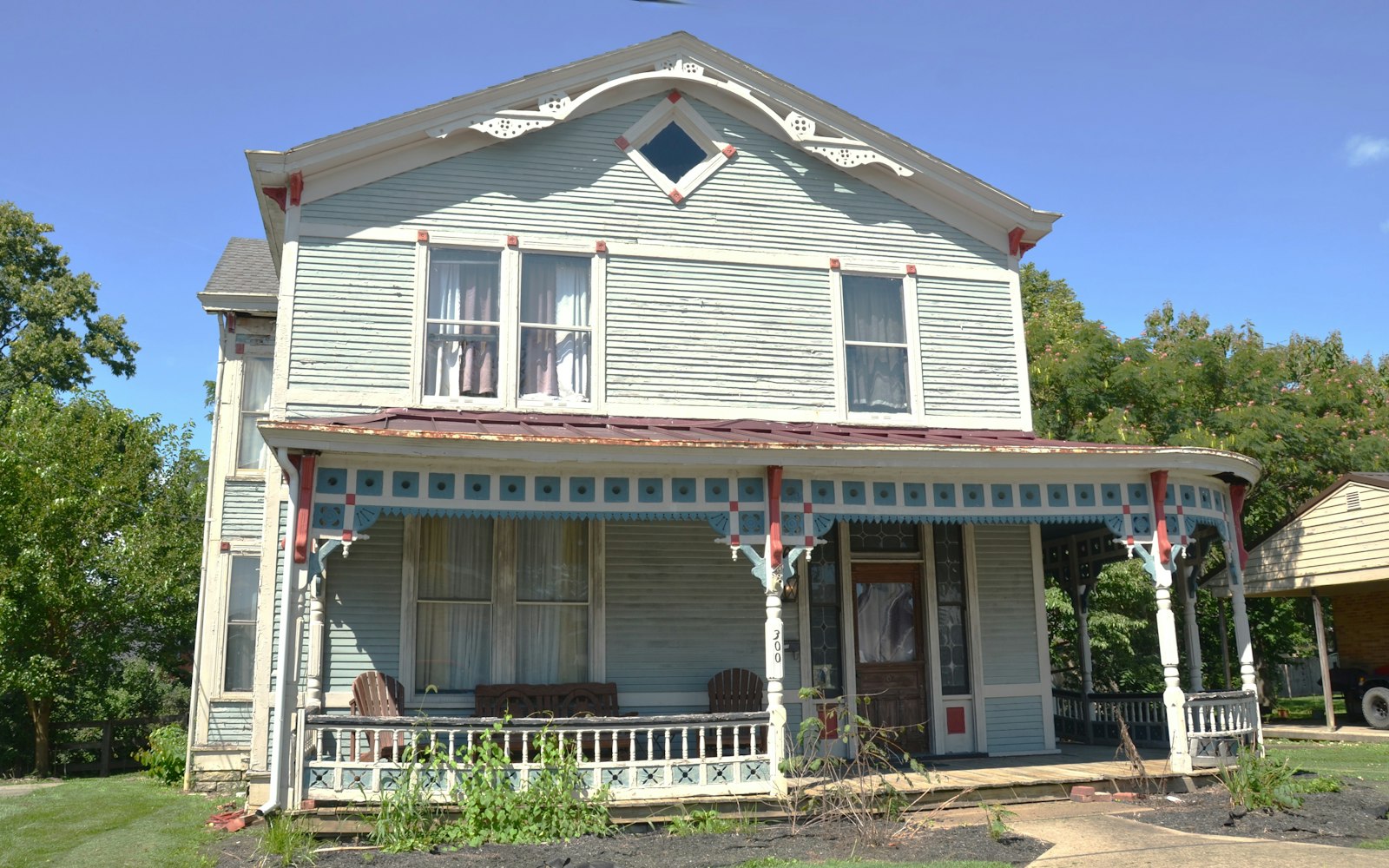
Quick answer: In Vernon, “character home” is an informal real estate term for an older house with original charm, while “heritage home” usually means a property on the City of Vernon Heritage Register, or one protected by a designation bylaw or Heritage Revitalization Agreement. Only the second one comes with any official status.
People use these two phrases as if they mean the same thing. On East Hill, where I live, you’ll see both in listings on the same street. They’re not the same, and knowing the difference can save you surprises on permits, grants and resale.
What “character home” means
“Character home” isn’t a legal category in Vernon. It’s the word agents, buyers and sellers use for an older house with features you don’t find in new construction. On East Hill that often means things like:
- deep front porches or verandas;
- original wood windows, trim and doors;
- fir floors, built-ins and plaster walls;
- steep rooflines, dormers and decorative shingles;
- mature trees on a generous, established lot.
A character home can be 1910s, 1930s or post-war. It carries no special rules just because it’s old and pretty. You renovate it under the same zoning and building permit process as any other house in the city.
What “heritage home” means in Vernon
The City of Vernon keeps a Heritage Register, first adopted by Council in February 2000 and updated over the years (the current version is dated April 9, 2026). It lists buildings the City has identified as having heritage value, with notes on each one’s age, style and history. Many East Hill houses are on it.
Within that list there are two very different levels:
1. Listed on the register
Most properties on the register are simply listed. The City itself says that being on a community heritage register “does not in itself constitute permanent heritage protection.” The register helps the City identify heritage resources, let owners know about heritage considerations and keep an eye on proposed changes through the permit process. Council has also removed properties from it over the years.
2. Designated or covered by an HRA
A smaller group of properties is legally protected, either by a heritage designation bylaw or a Heritage Revitalization Agreement (HRA). On East Hill, Campbell House at the top of 30th Avenue and the Sommerville house (today’s Caetani Cultural Centre) on Pleasant Valley Road are both marked as designated. For these homes, exterior work generally needs a Heritage Alteration Permit from the City.
So a “heritage home” in a listing could mean either level. Always ask which one.
Why the difference matters to you
If you’re buying
- Renovation plans. A designated home or one with an HRA can limit what you change on the outside. A character home with no status doesn’t have those limits.
- Grants. Only homes on the Heritage Register qualify for the City’s heritage grants (more on those below).
- Due diligence. An HRA is a legal agreement tied to the property. Your lawyer should review it before your subjects come off.
If you’re selling
Be precise in how your home is described. If it’s on the register but not designated, say so. Buyers who hear “heritage” sometimes assume heavy restrictions and walk away from a house that has none. If you’re thinking about selling, my page on selling your East Hill home covers how to present an older house well.
City heritage grants (for register properties)
As of 2026, the City of Vernon offers two grant programs for owners of properties on the Heritage Register:
- Heritage Restoration Grant: up to $5,000 (maximum 50% of costs) for a first grant, and up to $3,000 for a second grant at least five years later. It covers exterior restoration, foundations and roof structures. Approval comes before the work starts.
- Heritage Retention Grant: up to 50% of eligible costs, capped at $500 per property per year, for things like exterior repairs, heritage paint colours, permanent plantings and arborist pruning. Applications are due by January 31 for the previous year’s work.
Amounts and rules can change, so check the City of Vernon’s heritage pages before you count on either one.
This is general information, not legal advice. Confirm a property’s status and any obligations with the City of Vernon and your lawyer.
How to check a home’s status
- Look up the address in the City of Vernon Heritage Register (a PDF on vernon.ca). Designated sites are marked with an asterisk.
- Ask the City’s planning department whether a designation bylaw or HRA is registered on the property.
- Have your lawyer review the title for any registered agreements.
If you want to see some of East Hill’s oldest register homes, I wrote about the 1890s heritage homes on Pleasant Valley Road.
FAQ
Is every old house on East Hill a heritage home?
No. Plenty of older East Hill homes aren’t on the City’s Heritage Register at all. They’re “character homes” in everyday language but have no official heritage status.
Can I renovate a house that’s on the Heritage Register?
Usually, yes. Listing on its own isn’t permanent protection. Homes protected by a designation bylaw or HRA generally need a Heritage Alteration Permit for exterior work, so check with the City first.
Does heritage status affect my property taxes?
Not automatically. Your assessment comes from BC Assessment. Ask the City about any heritage incentives that might apply to a specific property.
Thinking about buying or selling an older home on East Hill? Call or text me at (250) 550-6979, or browse East Hill homes for sale.
More East Hill reading
- Preparing a Character Home for Sale: What’s Worth Fixing (and What Isn’t)
- How to Renovate an East Hill Character Home Without Losing Its Charm
- Retiring to East Hill: Walkable, Close to the Hospital and Full of Character
Featured photo: stock image from Unsplash, for illustration.
