

 Facebook
 X
X
 Pinterest
 Copy Link
Quick answer: You can sell a Vernon home with an unpermitted suite, but you need to be upfront about it. BC’s real estate regulator lists a lack of required permits among the things that must be disclosed. Your main options are to legalize the suite through a City of Vernon building permit before listing, sell as-is with clear disclosure and fair pricing, or decommission the suite. If it’s rented, BC tenancy rules affect timing.
Plenty of older East Hill homes have a basement suite that was added years ago, sometimes by a previous owner, and often without permits. That doesn’t make the home unsellable. It does mean you need to handle it carefully and honestly. Here’s an overview for 2026.
First: understand your disclosure obligations
The BC Financial Services Authority (BCFSA), which regulates real estate licensees, describes a material latent defect as one that can’t be discerned through a reasonable inspection and makes the home dangerous, unfit to live in, or unfit for the buyer’s stated purpose. BCFSA specifically lists a lack of appropriate municipal building and other permits as something licensees must disclose, along with electrical or gas work done without permits.
What that means in practice:
- Don’t advertise an unpermitted suite as a “legal suite” or a “mortgage helper” without explaining its status.
- Describe it accurately, for example “suite, not permitted” or “in-law accommodation, not approved by the City”.
- If you ask your REALTOR® to hide it, BCFSA guidance says they must stop working for you.
In BC, the Property Disclosure Statement isn’t mandatory, but refusing to disclose can expose you to legal risk and make the home harder to sell.
This is general information only. For advice on your specific situation, talk to a real estate lawyer.
Option 1: Legalize the suite before you sell
Under Vernon’s Zoning Bylaw 6000, adopted in June 2024, many serviced residential lots allow a secondary suite. That means zoning may no longer be the barrier it once was. The building code is usually the bigger hurdle.
To make a suite legal, you apply for a building permit with the City of Vernon. The City’s secondary suite permit checklist (revised December 2025) includes items such as site plans, design drawings, a Secondary Suite Assessment Inspection Report and a plumbing fixture calculation. Typical building code issues in older homes include:
- fire separation between the suite and the main house;
- interconnected smoke alarms;
- ceiling heights and window sizes for bedrooms;
- safe exits;
- ventilation.
Contact the City of Vernon’s building department at the start, because the scope of work can vary widely from one house to another.
Pros and cons
- Pro: a legal suite can appeal to more buyers and may be viewed more favourably by some lenders.
- Con: it takes time and money, and older homes can reveal surprises once walls open.
Option 2: Sell as-is with full disclosure
Many sellers choose this route. The buyer takes on the question of legalizing, using or removing the suite.
- Price the home based on what buyers will realistically pay for it with an unpermitted suite.
- Be clear in the listing and disclosure documents.
- Expect buyers to ask their lender whether rental income can be counted. Policies vary.
- Expect buyers to ask about insurance, so it helps to share what your current insurer knows.
Option 3: Decommission the suite
Some sellers remove the second kitchen (usually the stove) so the space is used as part of the main home. Check with the City of Vernon about what’s needed, and disclose any past use.
If the suite is rented
Tenants in unpermitted suites generally still have rights under BC’s Residential Tenancy Act. As of 2026:
- If a buyer wants the suite empty for their own use, the landlord issues a notice on the buyer’s behalf with a three-month notice period, after all subjects are removed. Tenants have 21 days to dispute.
- Tenants are entitled to proper notice before showings.
- If the buyer wants to keep the tenant, the tenancy usually carries on with the new owner.
Plan your completion date around these timelines. The Residential Tenancy Branch has current forms and rules.
Tax points to raise with your accountant
If you’ve rented part of your home, the CRA may treat that part differently when calculating any capital gain on sale. The principal residence exemption generally applies to the part you lived in. There are conditions under which minor rental use doesn’t change this. Ask your accountant before you list.
FAQ
Can I list my suite as a “mortgage helper” if it isn’t permitted?
You can mention it, but you need to be clear that it isn’t permitted. Suggesting it’s legal when it isn’t can create legal problems after the sale.
Are suites allowed in East Hill now?
Under Vernon’s Zoning Bylaw 6000, many serviced lots allow a secondary suite, but each suite still needs a building permit and must meet the building code. Check your lot with the City of Vernon. My post on adding a suite or carriage house in East Hill has more.
Will an unpermitted suite scare buyers away?
Not necessarily. Many buyers are comfortable with it if it’s disclosed and priced fairly. Surprises are what scare buyers.
If you’re selling a home with a suite and aren’t sure how to handle it, let’s talk it through before you list. See my selling your East Hill home page, call or text me at (250) 550-6979, or browse East Hill homes for sale.
More East Hill reading
- Selling Your Large East Hill Home to Move to the Lake
- Selling a Parent’s East Hill Home: A Gentle Guide for Families
- Buying a Home With a Suite to Help Pay the Mortgage in East Hill
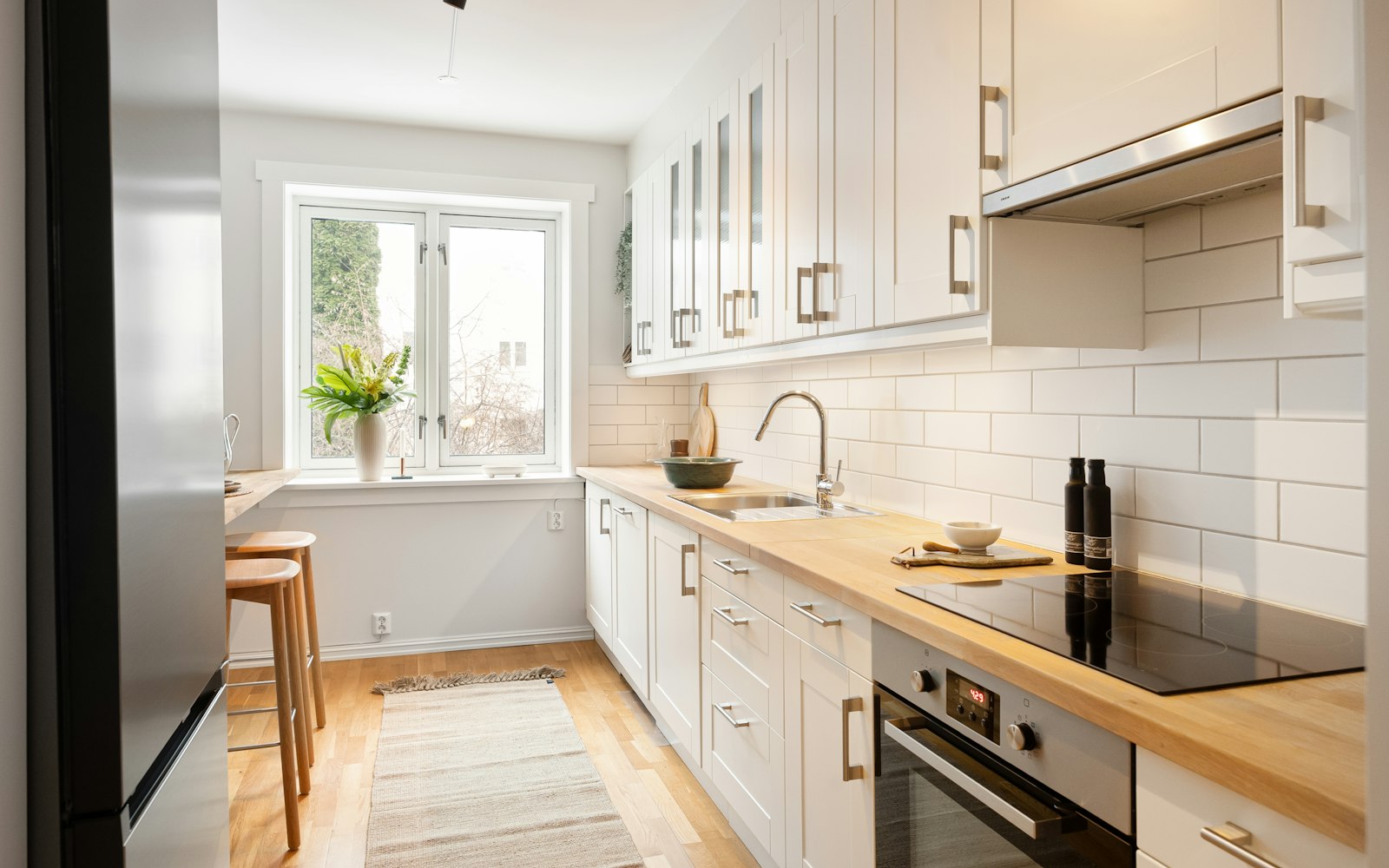
Featured photo: stock image from Unsplash, for illustration.
