

 Facebook
 X
X
 Pinterest
 Copy Link
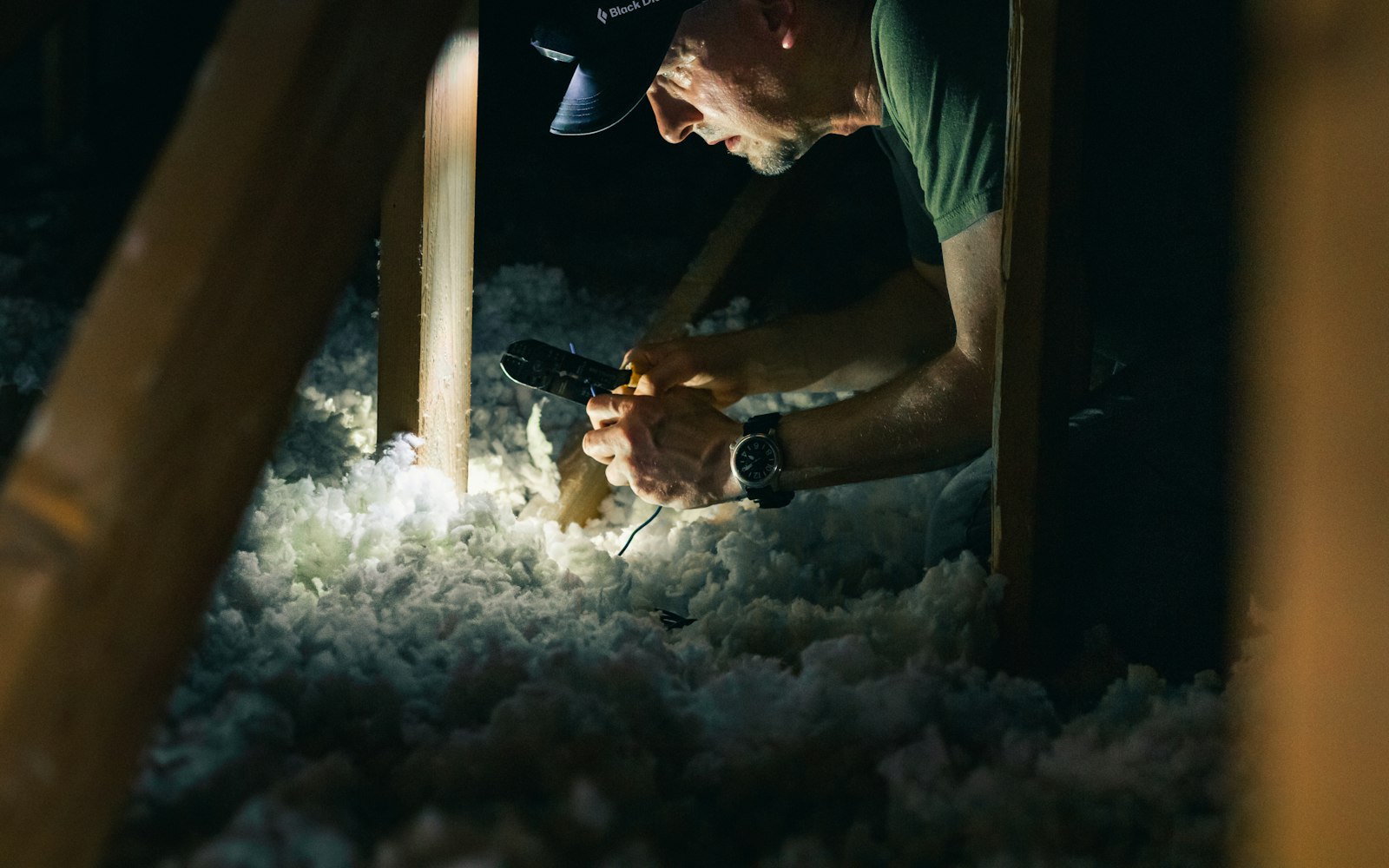
Quick answer: In older East Hill homes, inspections often flag dated wiring, older plumbing, signs of a past oil tank, possible asbestos-containing materials, and foundation, drainage or roof wear. Most can be dealt with. The key is finding out during your subject period and getting quotes before you commit.
East Hill has some of Vernon’s oldest homes, with houses dating back to the 1890s alongside decades-old homes from later eras. I’ve built or renovated more than seven homes, and I live in East Hill myself. Here’s what a licensed inspector commonly looks at in a home like these, and how to respond.
First, hire the right inspector
In BC, home inspectors must be licensed. Consumer Protection BC is responsible for licensing them, and it has a home inspector search on its website so you can check a licence.
- Ask whether they have experience with older homes.
- Ask what’s included, and whether they offer extras like a sewer line camera scope.
- Go to the inspection if you can. Seeing things in person helps more than any report.
Electrical
What comes up
- Older wiring, including knob-and-tube in some of the oldest homes.
- Small or outdated electrical panels.
- Ungrounded outlets, or DIY wiring added over the years.
Why it matters
Some insurers ask about the type and age of wiring and may limit coverage or require upgrades. Call an insurance broker during your subject period, and get an electrician’s quote if the inspector raises concerns.
Plumbing and sewer
What comes up
- Galvanized steel supply pipes, which can corrode inside over time.
- Cast-iron or older clay sewer lines.
- Mixed materials from past repairs.
Why it matters
Low water pressure, leaks or a blocked sewer line can be costly to fix. A camera scope of the sewer line from the house to the city connection is worth asking about on an older home.
Heating and oil tanks
Many older homes were once heated with oil. Even if a house now uses gas or electric heat, the old tank may still be there, above or below ground.
- Look for fill or vent pipes on the outside walls, or old lines in the basement.
- Ask the seller whether a tank was ever on the property and whether it was removed, with paperwork.
- If there’s any doubt, a tank-scan company can check the yard.
An old buried tank can affect insurance and financing, so this is one to settle before you remove subjects.
Asbestos and other older materials
WorkSafeBC says that if a home was built before 1990, it’s likely that at least some parts of it contain asbestos. Common places include drywall taping compound, textured ceilings, vinyl flooring, insulation such as vermiculite, and window putty.
- Undisturbed materials are generally not a problem day to day.
- If you plan to renovate, WorkSafeBC recommends testing by a qualified professional first.
- Budget for testing, and for safe removal if you need it.
Lead-based paint can also be present in older homes, so ask your inspector or a contractor how to deal with it safely if you’re planning work.
Foundations, drainage and roofs
What comes up
- Cracks in older concrete foundations, and signs of past moisture in basements.
- Grading that slopes toward the house, or downspouts draining right beside it.
- Roofs near the end of their life.
Why it matters
East Hill is a hillside neighbourhood, so where water goes matters. Many moisture issues come down to gutters, downspouts and grading, which are cheaper fixes. Structural concerns need a structural engineer or foundation contractor.
How to handle what the inspector finds
- Sort the list. Separate safety items, big-ticket items and routine maintenance.
- Get quotes. An electrician, plumber or roofer can turn “may need work” into real numbers.
- Talk insurance early. Wiring, plumbing and oil tanks are common insurance questions on older homes.
- Decide your next step. Go ahead, ask the seller for a price change or repair, or walk away while your subject is still in place.
My local’s checklist for buying an older home in East Hill is a good companion to this post. If you’re drawn to the oldest houses, East Hill’s 1890s heritage homes on Pleasant Valley Road is a fun read too.
FAQ
Is an inspection required in BC?
It’s not required by law, but it’s strongly recommended, especially on an older home. Make it a subject of your offer when you can.
Can I skip the inspection in a multiple-offer situation?
You can, but you give up your chance to find problems before you’re committed. Some buyers arrange an inspection before writing an offer instead. Talk it through with your agent.
Will the seller fix what the inspector finds?
Sometimes. Everything is negotiable, but the seller doesn’t have to agree. Your options depend on your contract and the market.
Looking at an older East Hill home and want a second set of eyes? Call or text me at (250) 550-6979, or browse East Hill homes for sale.
More East Hill reading
- Should You Get a Pre-Listing Inspection on an Older Home?
- Polson Park, Lakeview Park and East Hill’s Green Spaces
- From Dixon Dam Road to East Hill: My Move Across Vernon
Featured photo: stock image from Unsplash, for illustration.
