

 Facebook
 X
X
 Pinterest
 Copy Link
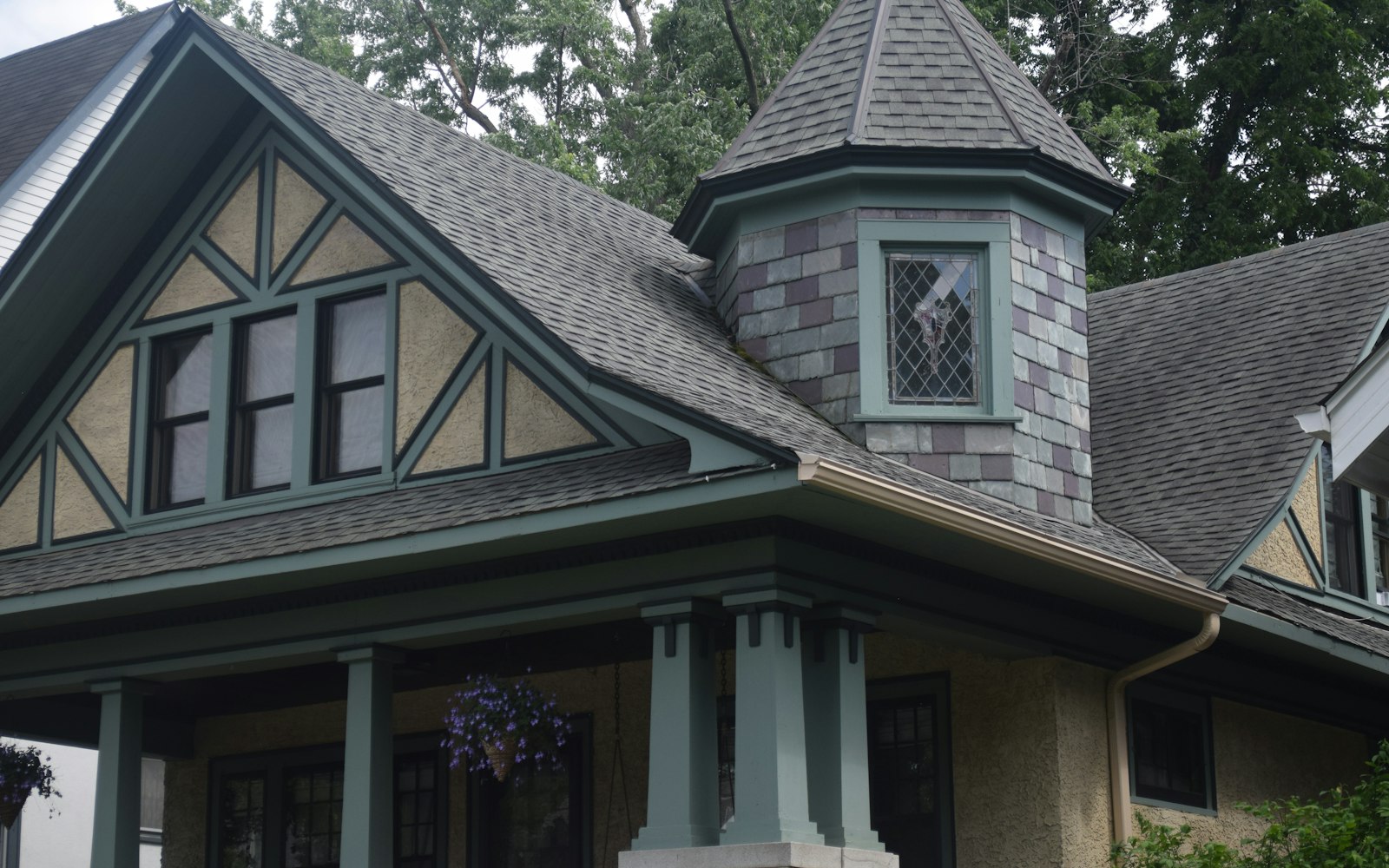
Quick answer: Keep the features buyers can’t get in new construction (porches, original windows and trim, wood floors, the roofline and the street-facing look) and put your money into what’s hidden: wiring, plumbing, insulation, heating and the foundation. Check whether the home has heritage status before you start, and get the right permits from the City of Vernon.
I’ve built and renovated more than seven homes over the years, and I live on East Hill, surrounded by houses from the 1890s to the post-war years. The goal with a character home is simple: make it work like a new house without making it look like one.
Step 1: Know what you have
Check heritage status first
Look up the address in the City of Vernon Heritage Register. If the home is protected by a designation bylaw or a Heritage Revitalization Agreement, exterior work generally needs a Heritage Alteration Permit. If it’s only listed, you’ll use the regular permit process, but you may qualify for the City’s heritage grants.
Identify the style
A 1910s Craftsman bungalow and a 1890s Queen Anne call for very different choices. My post on East Hill’s 1890s heritage homes shows some of the oldest examples in the neighbourhood.
Test before you open walls
Health Canada says asbestos was widely used in building materials before 1990, and homes built before 1960 likely contain lead-based paint. WorkSafeBC advises getting your home tested for asbestos before a renovation or demolition. Do this before the design is final, since it can change the budget.
Step 2: Keep the features that carry the character
These are the details that give an older home its character, and they’re hard to put back once they’re gone:
- The front elevation. Rooflines, porch, window pattern and siding. Put additions at the back or side where they’re less visible.
- Porches and verandas. Repair rather than enclose them.
- Original windows. Wood windows can often be restored and paired with storm windows. If they must go, match the pattern of the originals.
- Interior millwork. Trim, doors, built-ins, fir floors and stair railings. Strip and refinish rather than replace.
- Proportions. Tall ceilings and room sizes are part of the feel. Resist lowering ceilings to hide ducts if there’s another route.
Step 3: Modernize what you can’t see
This is where an older home earns its keep for the next 50 years:
- Electrical: replace knob-and-tube or undersized service. It’s safer and often makes insurance easier.
- Plumbing: replace old galvanized supply lines and check the sewer line with a camera.
- Heat: a heat pump can replace an oil or gas furnace. Ductless heads can avoid cutting into plaster and trim.
- Insulation: attics and basements are usually the easiest wins. Be cautious with walls in older homes, and don’t disturb vermiculite without testing.
- Foundation and drainage: fix water problems before finishing a basement.
Some energy upgrades may qualify for provincial rebates through the Home Renovation Rebate program. Rules and amounts change, so check betterhomesbc.ca before you sign a contract.
Step 4: Make kitchens and baths feel right for the house
These are the rooms where you’ll want modern function. A few ideas that suit older homes:
- Choose cabinet door styles, like simple shaker or inset doors, that echo the era.
- Use materials with a long history: wood, tile, stone and painted finishes.
- Reuse original trim profiles on new doors and windows so new rooms blend in.
- Keep one or two period pieces, such as a clawfoot tub or an old sink, if they’re in good shape.
Step 5: Permits, grants and budgeting
- Permits: the City of Vernon requires building permits for many renovation projects, including secondary suites, decks and accessory buildings. Electrical and plumbing work have their own permits. Ask before you start.
- Grants: as of 2026, register-listed homes may qualify for the City’s Heritage Restoration Grant (up to $5,000, maximum 50% of costs, for exterior, foundation and roof work, approved before work begins) or the smaller Heritage Retention Grant.
- Contingency: older homes hide surprises. Build a healthy contingency into your budget before you start.
This is general information. Confirm permits, grants and rebates with the City of Vernon and the relevant agencies, and get professional advice for your specific home.
If you’re thinking about adding a rental suite or carriage house as part of your plans, see can you add a suite or carriage house in East Hill.
FAQ
Will a renovation hurt the value of a character home?
Not if it’s done well. Updated systems with original character intact tend to appeal to buyers. Stripping out the original features is what usually costs you.
Should I replace my original wood windows?
Not automatically. Many can be repaired and weatherstripped, and storm windows help with efficiency. Get an assessment from someone who restores wood windows before deciding.
Do I need a Heritage Alteration Permit to renovate?
Only for exterior work on heritage sites that are protected by a designation bylaw or HRA. Check your home’s status with the City of Vernon first.
Want to talk through a renovation plan before you buy or sell? Call or text me at (250) 550-6979, or browse East Hill homes for sale.
More East Hill reading
- Staging an Older Home So Buyers Fall for Its Character
- Original Wood Windows: Restore or Replace in a Character Home?
- Retiring to East Hill: Walkable, Close to the Hospital and Full of Character
Featured photo: stock image from Unsplash, for illustration.
