

 Facebook
 X
X
 Pinterest
 Copy Link
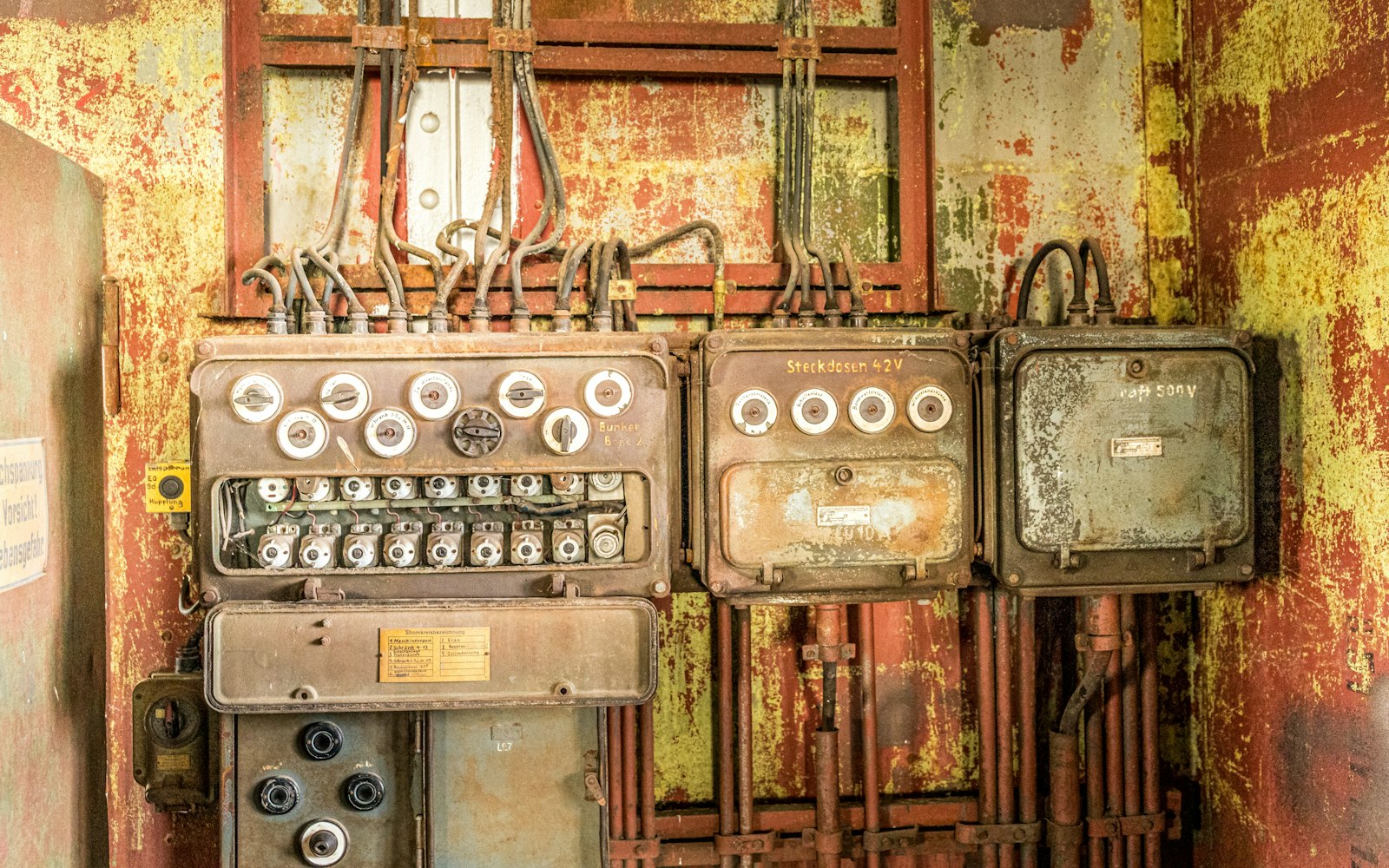
Quick answer: Knob-and-tube is an early style of electrical wiring found in some older homes. It isn’t automatically dangerous, but it has no ground wire, it’s often been modified over the decades, and many insurers will ask about it or want it replaced. If an East Hill home you like has it, get an electrician’s assessment and talk to an insurance broker before your subjects come off.
East Hill has homes going back to the 1890s, so every so often a home inspector finds knob-and-tube wiring in an attic or basement. It shouldn’t scare you off a great house, but you do need a plan for it before you buy.
What knob-and-tube wiring is
Knob-and-tube was a common way to wire houses in the early 1900s. You can usually recognize it by:
- individual wires running separately rather than bundled in one cable;
- white ceramic “knobs” holding the wires off wood framing;
- ceramic “tubes” where wires pass through joists and studs;
- cloth or rubber-coated wire insulation.
You’ll most often spot it in unfinished attics, crawlspaces and basement ceilings. In many older homes some of it has already been replaced, so a house can have a mix of old and new wiring.
Why it matters
Safety concerns
- No ground. The system doesn’t include a ground wire, which modern appliances and electronics expect.
- Age. Insulation on old wire can become brittle over time.
- Insulation. The wiring was designed to shed heat into open air. Blown-in insulation packed around it can be a concern, so tell your insulation contractor if you have it.
- Past changes. After a century, amateur splices and add-ons are the bigger risk in many homes.
- Capacity. Older homes often have fewer circuits than today’s kitchens, heat pumps and EV chargers need.
Insurance
Many insurers ask about the age and type of wiring in older homes. Some may decline, charge more, or ask for an electrician’s report or a replacement timeline when active knob-and-tube is present. The Insurance Bureau of Canada suggests upgrading outdated wiring as one way to reduce risk, and says upgrading electrical, heating and plumbing systems may help lower your premium. Always disclose what you know. IBC warns that withholding information could mean a cancelled policy or a denied claim.
What to do as a buyer
- Ask up front. Ask the seller or listing agent if there’s any knob-and-tube, and whether any has been removed. Check the Property Disclosure Statement.
- Book a thorough home inspection. Inspectors can often spot it in accessible areas, but they can’t see inside walls.
- Get an electrician’s assessment. If knob-and-tube is suspected, have a licensed electrician estimate how much is active and what replacement would involve.
- Call your insurance broker early. Confirm you can get coverage, and on what terms, before removing your subjects. Your lender will want proof of insurance before completion.
- Budget realistically. Replacing wiring in a plaster-walled home means opening some walls and ceilings. Costs vary a lot by house, so get a written quote rather than guessing.
My local checklist for buying an older East Hill home covers the other systems to look at in the same visit.
This is general information. Confirm details with a licensed electrician, your insurance broker and your lender, and have a lawyer review any contract terms.
Planning the upgrade
Permits
In BC, electrical work generally requires a permit, issued through Technical Safety BC or, in some communities, the local government. Technical Safety BC does offer homeowner permits in some situations, but rewiring an older home is usually a job for a licensed electrical contractor. Ask the City of Vernon or Technical Safety BC which process applies.
Rewiring an older home without wrecking it
- Electricians can often fish new cable through walls from the attic and basement, limiting the number of openings.
- Plan the rewire alongside other work, like insulation or a kitchen reno, so walls only get opened once.
- Think ahead about capacity. If a heat pump, induction range or EV charger is in your future, size the panel and service for it now.
- Save original trim and plaster details where you can, and repair openings with care.
Selling a home with knob-and-tube
If you’re selling, be upfront. A recent electrician’s report, a quote for replacement, or proof of work already done helps buyers and their insurers get comfortable. My page on selling your East Hill home covers other ways to prepare an older house.
FAQ
Is knob-and-tube wiring illegal in BC?
Many older BC homes still have some. What matters is its condition and what’s required for your situation, so ask a licensed electrician or Technical Safety BC. Insurers and lenders may also have their own requirements.
Can I still get a mortgage on a home with knob-and-tube?
Often, yes, but you’ll need insurance in place for completion. Speak with your lender and broker early so there are no surprises.
How do I know if all of it has been removed?
You can’t always tell from what’s visible. A licensed electrician can test circuits and check accessible areas to estimate what’s still active.
Looking at an older East Hill home and want a second set of eyes? Call or text me at (250) 550-6979, or browse East Hill homes for sale.
More East Hill reading
- Insuring an Older Home in BC: Tips for East Hill Owners
- Staging an Older Home So Buyers Fall for Its Character
- A First-Time Buyer’s Guide to East Hill, Vernon
Featured photo: stock image from Unsplash, for illustration.
