

 Facebook
 X
X
 Pinterest
 Copy Link
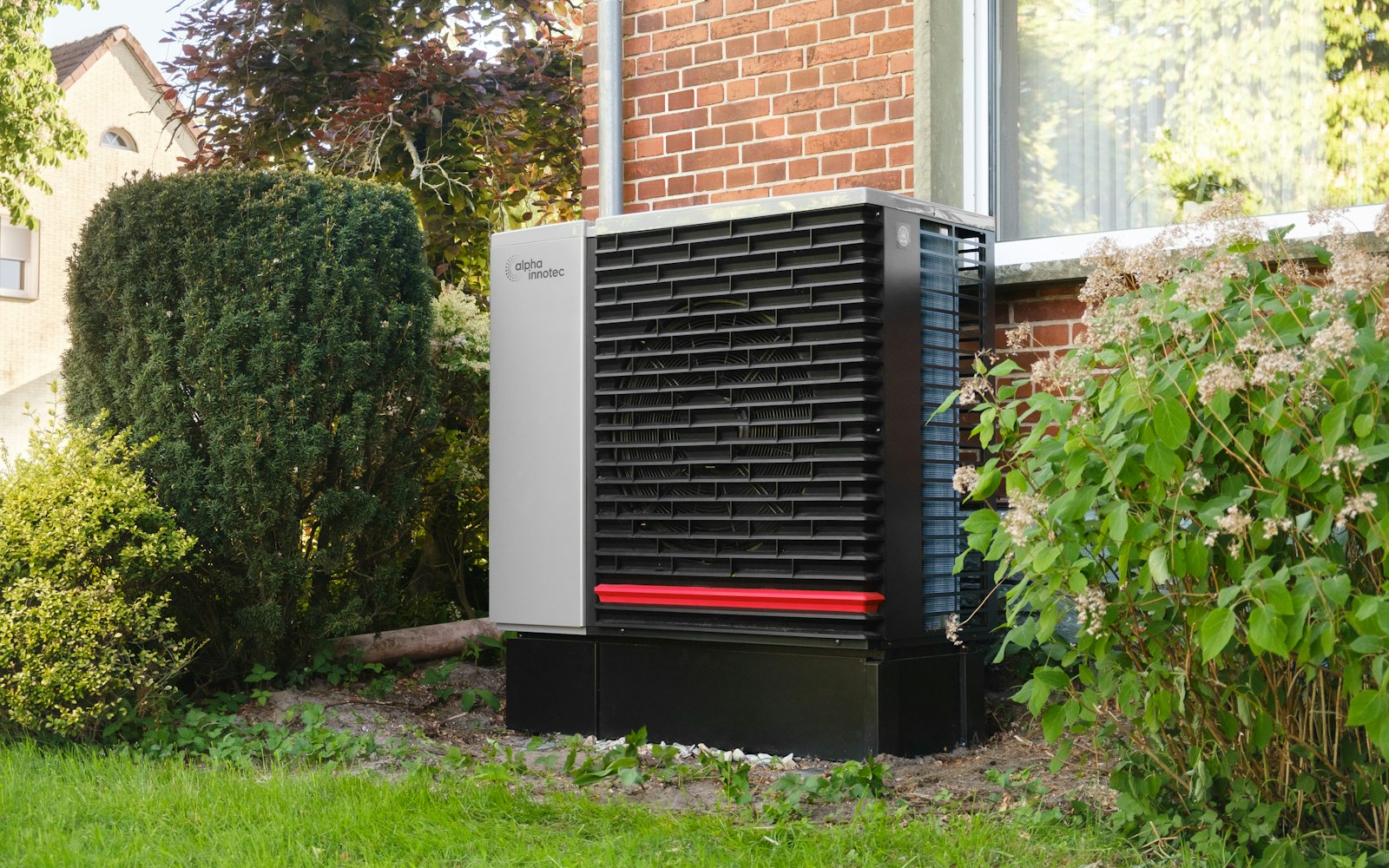
Quick answer: Many older East Hill homes can switch to a heat pump, either a ducted system using existing ductwork or ductless mini-splits for homes with boilers or no ducts. Plan for electrical capacity, insulation and what happens to any old oil tank. As of 2026, BC’s biggest oil and gas fuel-switching rebates for southern BC are through the income-qualified Energy Savings Program, so check what you qualify for before you sign.
Many of East Hill’s older homes have changed heating systems more than once, and some still run on oil or gas furnaces or boilers. A heat pump can heat in winter and cool in summer, which is handy in an Okanagan July. Here’s how to think about the switch.
Step 1: Understand your current system
Forced-air furnace (oil or gas)
If you have ducts in decent shape, a central ducted heat pump may be able to use them. Older ductwork may need sealing or resizing, since heat pumps often move air differently than old furnaces.
Boiler with radiators
Many older homes heat with hot-water radiators. Options include ductless mini-splits in key rooms, or an air-to-water heat pump. Talk to a contractor who has worked on older homes.
Oil heat and the tank
If the home heats with oil, removing the tank is part of the plan. Get proper removal paperwork. It matters for insurance and for any future sale.
Step 2: Prepare the house
- Electrical service. A heat pump adds load. An older home may need a panel or service upgrade, especially if it still has original wiring.
- Insulation and air sealing. The tighter the house, the smaller (and cheaper) the heat pump can be. Attics and basements are often the easiest places to start. Test for asbestos, including in vermiculite insulation, before disturbing old materials.
- Backup heat. Talk to your contractor about cold-weather performance and backup heat. Some rebate programs have rules about what kind of supplemental heat you can keep.
- Placement. Plan where the outdoor unit and indoor heads go so they don’t clash with the character of the house.
Step 3: Know the rebates (as of 2026)
Rebates in BC are run through Better Homes BC, with funding from BC Hydro, FortisBC and the Province. Here’s the general picture as of 2026:
Home Renovation Rebate (any income)
- Up to $4,000 for a heat pump province-wide, listed for homes heated with electricity.
- Larger rebates for switching from oil (up to $6,000) or natural gas/propane (up to $8,000) are listed for northern BC only, north of 100 Mile House. That doesn’t include Vernon.
- Your home must be a primary residence, and a program-registered contractor is required for most rebates.
Energy Savings Program (income-qualified)
For households under set income limits, this program lists much larger rebates. For example:
- Switching from oil: up to $13,000 for a central ducted system at the lowest income level, down to $3,500 at the highest. Homes must show at least 500 litres of oil use in the previous 12 months.
- Switching from natural gas or propane: up to $13,000 for central ducted at the lowest income level, down to $3,500 at the highest, with smaller amounts for single-head mini-splits.
Federal programs
The federal Oil to Heat Pump Affordability program did not cover BC, and it stopped taking applications on July 31, 2026. The Canada Greener Homes Loan has also closed.
Better Homes BC energy coaches can help you sort through it: 1-844-881-9790 or betterhomesbc.ca.
This is general information. Rebate programs and amounts change often. Confirm current rules with Better Homes BC and your utility before you buy equipment, and get financial advice for your situation.
Step 4: Get good quotes
- Ask for a heat-loss calculation, not just a rule-of-thumb size.
- Confirm the contractor is registered with the rebate program you plan to use.
- Ask what’s included: electrical work, removing old equipment, the oil tank, permits.
- Ask about cold-weather performance and noise.
- Get at least two or three quotes.
Buying or selling with a heat pump in mind
If you’re buying an older East Hill home that still heats with oil, factor the switch into your budget and your inspection. My local checklist for buying an older East Hill home covers what to check. If you’re selling, a recent upgrade with invoices and warranty paperwork is a strong point to highlight; see selling your East Hill home.
FAQ
Can a heat pump heat an older East Hill home in winter?
Modern cold-climate heat pumps are designed for cold weather, but sizing, insulation and backup heat matter. Ask your contractor for a heat-loss calculation.
Is there a rebate to switch from gas to a heat pump in Vernon?
As of 2026, the larger gas-to-heat-pump rebates for southern BC are in the income-qualified Energy Savings Program. Check betterhomesbc.ca for current eligibility.
Do I need to remove my oil tank when I switch?
Plan to. An unused tank can cause insurance and resale problems. Get removal documentation, and check local requirements with the City of Vernon.
Weighing an older East Hill home and its heating costs? Call or text me at (250) 550-6979, or browse East Hill homes for sale.
More East Hill reading
- Old Oil Tanks: The Questions I Ask Before Anyone Buys an Older Vernon Home
- Preparing a Character Home for Sale: What’s Worth Fixing (and What Isn’t)
- Using the FHSA and RRSP Home Buyers’ Plan to Buy in East Hill
Featured photo: stock image from Unsplash, for illustration.
