

 Facebook
 X
X
 Pinterest
 Copy Link
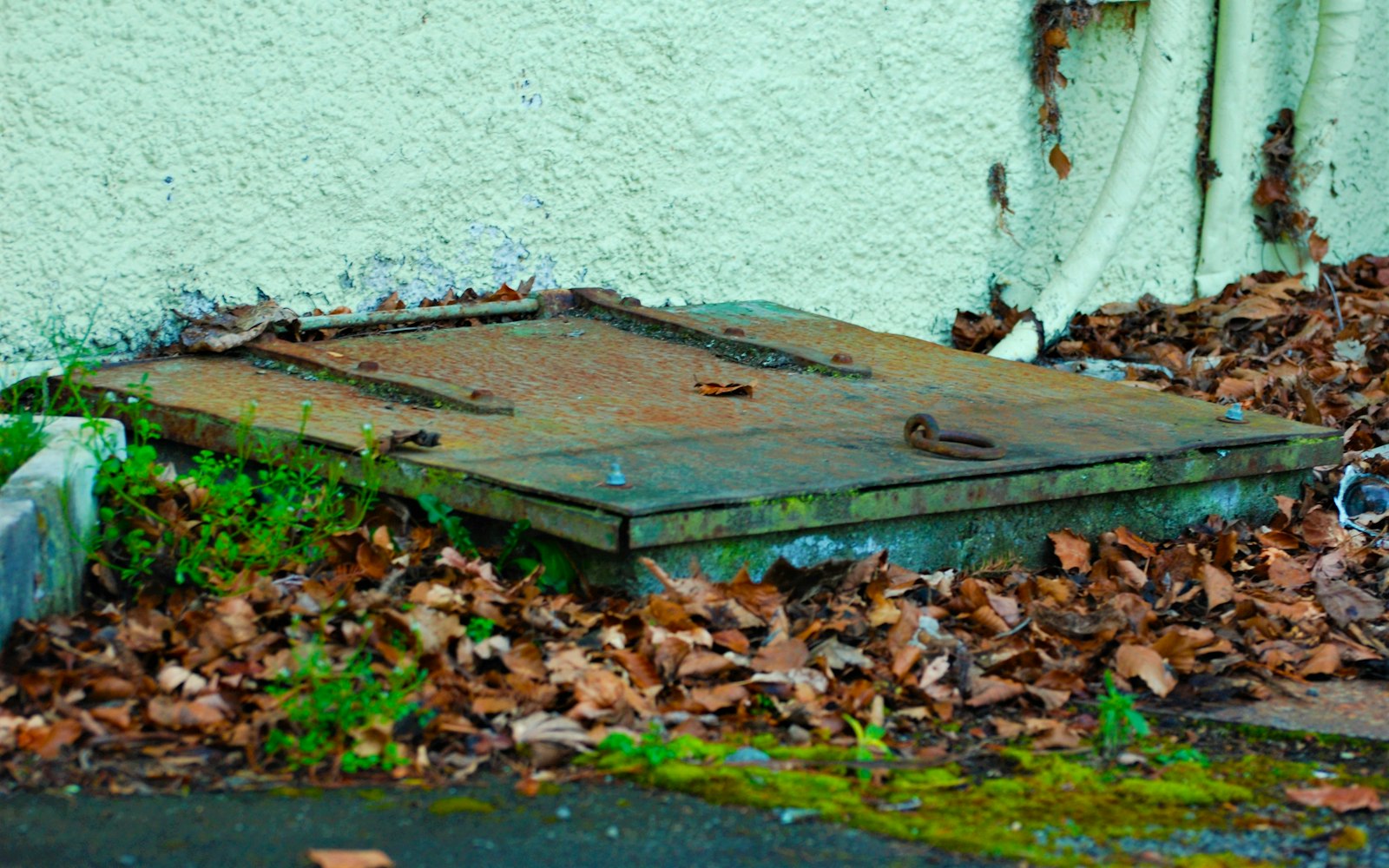
Quick answer: If an older East Hill home ever heated with oil, find out whether a tank is still there, whether it was properly removed, and whether there’s paperwork to prove it. An unremoved or leaking tank can affect insurance and financing, and cleanup costs generally fall on the current owner.
Plenty of Vernon homes built before natural gas and heat pumps became common were once heated with oil. Many tanks were removed long ago. Some weren’t. Because East Hill has so many older homes, oil tanks belong on the question list for any house here.
Why an old tank matters
- Environmental liability. According to BC real estate lawyers, responsibility for removing an underground tank and cleaning up any contamination falls on the current owner. If oil has migrated, BC’s Environmental Management Act can come into play, and costs can climb quickly.
- Fire Code requirements. The BC Fire Code has rules for underground tanks that are taken out of service, and many municipalities require removal. Check with the City of Vernon and Vernon Fire Rescue Services about what applies locally.
- Insurance. Insurers often ask about oil tanks, may limit coverage for older tanks, and typically exclude pollution damage.
- Financing. Lenders may want a known tank removed and the soil dealt with before they’ll fund.
The questions I ask
1. Did this home ever heat with oil?
Look for clues: a capped fill pipe or vent pipe on an exterior wall, an old oil furnace or boiler, cut-off copper fuel lines in the basement, or a patch in a basement floor or wall where a line once came through.
2. Is there still a tank, and where?
Tanks could be buried in the yard, sitting in a basement, or under a deck or driveway. The Property Disclosure Statement asks sellers about underground fuel tanks, so read it carefully. But a seller who bought the house decades ago may genuinely not know.
3. If it was removed, where’s the proof?
Ask for the removal paperwork: who removed it, when, and whether soil was tested. A removal report or letter from a qualified contractor, and any permit or sign-off, is what you want to see. A verbal “it’s gone” isn’t enough.
4. Should we scan the property?
When there’s any doubt, a specialist can scan the yard for buried metal tanks. It’s a relatively small cost compared with finding a tank after you own the property.
5. If there’s a tank, who deals with it and when?
This is where your contract matters. Options include making your offer subject to a satisfactory scan or inspection, or asking the seller to remove the tank and remediate any contamination before completion, with documentation.
Writing it into your offer
Your REALTOR® and lawyer can help you word this properly. Common approaches include:
- a subject clause for an oil tank scan and any follow-up testing;
- a seller’s obligation to remove any tank found and provide a removal report before completion;
- a clear understanding of who pays if contamination is found.
BC real estate lawyers caution buyers against simply taking a price reduction and assuming the liability. Cleanup costs are hard to predict until the tank is out of the ground.
This is general information, not legal advice. Talk to your lawyer, lender and insurance broker, and confirm local requirements with the City of Vernon and Vernon Fire Rescue Services.
If you’re selling an older home
Deal with it before you list if you can. A scan, a removal report and soil test results make your home easier to insure and finance, which means fewer buyers walk away. My page on selling your East Hill home has more on preparing an older property for the market.
Oil tanks and switching to a heat pump
If a home still heats with oil, many owners look at switching to a heat pump and removing the tank at the same time. Provincial rebates through Better Homes BC have rules that depend on your fuel type, your income and where you live, so check the current programs before you plan around a rebate.
For the full list of things I look at in an older East Hill home, see my local checklist for buying an older home.
FAQ
How do I know if a Vernon home had an oil tank?
Look for fill or vent pipes on the exterior, old fuel lines in the basement, and check the Property Disclosure Statement. When in doubt, hire a specialist to scan the yard.
Who pays to remove an old oil tank?
Generally, the current owner is responsible. As a buyer, you can negotiate for the seller to remove it before completion. Your lawyer can help with the contract wording.
Can I get home insurance with an oil tank on the property?
It depends on the insurer, the tank’s age and whether it’s in use. Talk to an insurance broker before you remove your subjects.
Looking at an older East Hill home and not sure about its heating history? Call or text me at (250) 550-6979, or browse East Hill homes for sale.
More East Hill reading
- Buying a Character Home: Questions to Ask the Seller Before You Write an Offer
- Switching an Older East Hill Home from Oil or Gas to a Heat Pump
- How to Renovate an East Hill Character Home Without Losing Its Charm
Featured photo: stock image from Unsplash, for illustration.
