

 Facebook
 X
X
 Pinterest
 Copy Link
Quick answer: Under Vernon’s Zoning Bylaw 6000, many serviced East Hill lots now allow a duplex without rezoning. The real work is in the building permit: fire and sound separation, safe exits, separate services and upgrades that older homes often need. If you want to sell the two units separately, strata-titling an existing occupied building needs City Council approval.
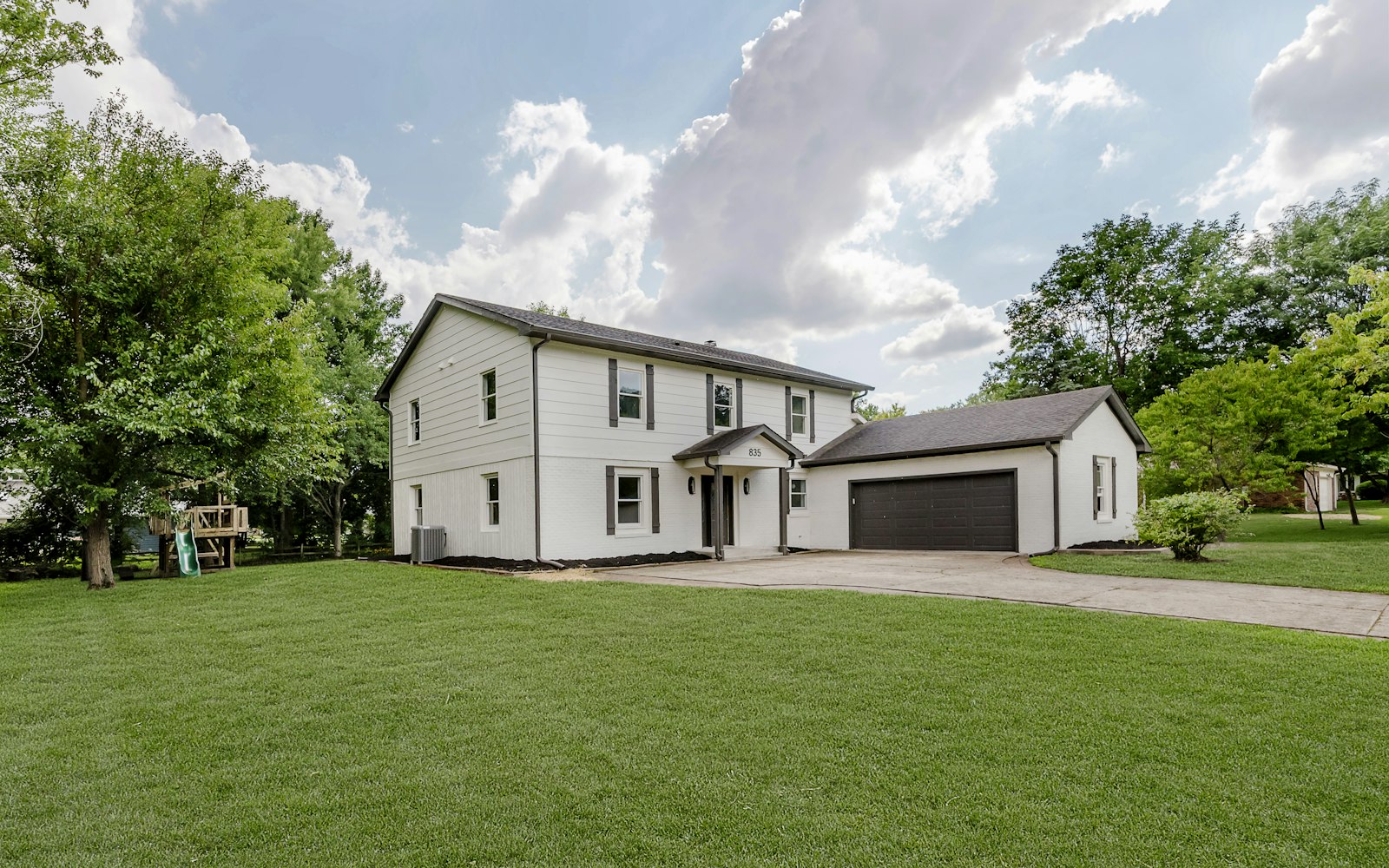
Converting a larger older house into two homes can create a rental unit, a place for family, or a way to share costs. East Hill has plenty of big houses on generous lots that might suit this. But a duplex conversion is a serious renovation, not just adding a lock to the basement door. Here’s what’s involved as of 2026.
Step 1: Check zoning and your lot
Vernon’s Zoning Bylaw 6000, adopted in June 2024, put most former single-family lots into the MUS (Multi-Unit: Small Scale) zone. That zone permits housing forms including duplexes and semi-detached homes. On serviced lots between 280 m² and 4,050 m², it allows the greater of four units or 60 units per hectare.
Before you get attached to a plan, confirm:
- your lot’s zone on the City’s zoning map;
- whether a development permit is needed for your project;
- whether the home is on the Heritage Register or is a protected heritage property;
- parking, access and the slope of your lot.
Step 2: Understand the building code work
Turning one home into two means meeting the BC Building Code for two separate dwellings. For an older East Hill house, that commonly involves:
- Fire separation between units, including walls, floors, ceilings and doors.
- Sound separation between units.
- Smoke and carbon monoxide alarms, interconnected as required.
- Safe exits for each unit.
- Heating and ventilation that meets current requirements.
- Electrical and plumbing upgrades. Older homes may have knob-and-tube wiring or galvanized plumbing that makes sense to replace while walls are open.
- Structural review if walls are moved or stairs are changed.
A designer or architect familiar with conversions can tell you early whether your house lends itself to a duplex or whether a suite or carriage house would be simpler. Some projects need a registered professional.
Step 3: Services, fees and DCCs
- Utilities. Ask the City of Vernon and Greater Vernon Water about water and sewer service requirements, and your electrical and gas providers about separate meters.
- Development cost charges. Under Vernon’s interim approach, additional DCCs apply at building permit for new units such as duplexes. These include City charges and regional charges collected for the Regional District of North Okanagan.
- Building permit fees set by the City’s fees and charges bylaw.
Step 4: Heritage considerations
If your house is a protected heritage property, exterior changes need a Heritage Alteration Permit. A Heritage Revitalization Agreement with the City can sometimes allow flexibility on use, density and siting in exchange for conserving the building. For older homes on East Hill, it’s worth asking the City early. You can read more about the neighbourhood’s history in my post on East Hill’s 1890s heritage homes.
Step 5: Decide how you’ll own and use it
Keep it as one title
Most owners keep the duplex on one title and either live in one unit or rent both. Renting makes you a landlord under BC’s Residential Tenancy Act. The maximum allowable rent increase for 2026 is 2.3%.
Strata-title the units
If you want to sell the two units separately, converting a previously occupied building into strata lots requires approval under section 242 of BC’s Strata Property Act. In a municipality, the approving authority is City Council. Talk to the City and a lawyer before counting on this.
Tax implications
Renting part of your home, or selling a unit, can change your tax picture, including how the principal residence exemption applies. If you buy a property and sell within 730 days, BC’s home flipping tax may also apply unless an exemption fits.
This is general information only. Please confirm zoning, code and tax details with the City of Vernon, a qualified designer, your accountant and your lawyer.
Is a duplex the right choice?
I’ve built and renovated more than seven homes, and a duplex conversion is one of the bigger jobs you can take on in an older house. Compare it with other options:
- a secondary suite within the house, which is usually simpler;
- a carriage house, which keeps the main house intact;
- selling to a buyer who wants to do the conversion.
My post on adding a suite or carriage house in East Hill covers those alternatives.
FAQ
Can I turn my East Hill house into a duplex without rezoning?
In many cases, yes. Most former single-family lots in Vernon are now zoned MUS, which allows duplexes. You’ll still need a building permit and must meet the building code.
Can I sell each side of the duplex separately?
Only if the units are legally subdivided or strata-titled. Converting an existing occupied building to strata requires City Council approval under the Strata Property Act.
What’s the biggest challenge in converting an older home?
Usually the building code work, especially fire and sound separation and upgrading older electrical and plumbing systems.
If you’re weighing a duplex conversion or looking for an East Hill home with that potential, I’d be glad to help. Call or text me at (250) 550-6979, or browse East Hill homes for sale.
More East Hill reading
- Starter Homes in East Hill: Townhomes, Half-Duplexes and Fixer-Uppers
- What a Carriage House Really Costs to Build in Vernon
- Original Wood Windows: Restore or Replace in a Character Home?
Featured photo: stock image from Unsplash, for illustration.
