

 Facebook
 X
X
 Pinterest
 Copy Link
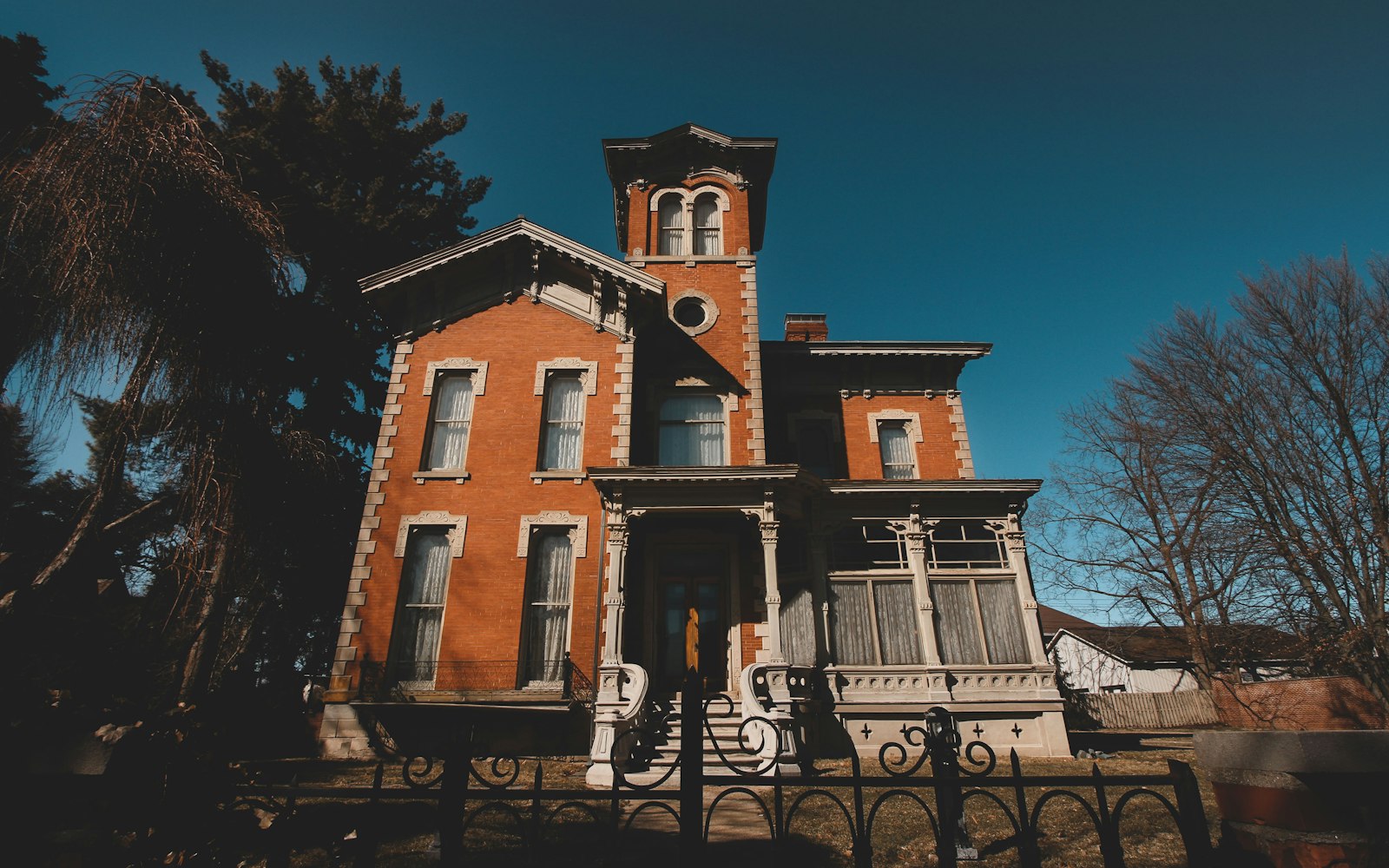
Quick answer: Start at the Caetani Cultural Centre on Pleasant Valley Road, walk south past a row of 1890s homes, then climb to Campbell House at the top of 30th Avenue and continue through the early-1900s subdivisions on the upper East Hill. Nearly every stop is listed on the City of Vernon Heritage Register. Most are private homes, so enjoy them from the sidewalk.
I live on East Hill, and one of the best ways to understand this neighbourhood is on foot. The City of Vernon Heritage Register and the Vernon Museum have done the research; this tour just strings their stops together. East Hill is a hill, so wear good shoes, and feel free to split it into two shorter walks.
Part 1: Pleasant Valley Road’s 1890s row
The City’s heritage context statement notes that Pleasant Valley Road follows the line of an old Okanagan First Nations trail that later became a wagon road. In the 1890s, the lower East Hill along this road became a fashionable place for prominent citizens to build. A good starting point is the roundabout at 35th Avenue; then head south.
1. The Caetani Cultural Centre (3401 Pleasant Valley Road)
Built in 1895 by Samuel Sommerville, an alderman, tax collector and dairy farmer, this house is described as Late Victorian Vernacular Revival. It’s a designated heritage site and later became the home of artist Sveva Caetani. Today it’s the Caetani Cultural Centre, which offers guided and self-led heritage tours of the house and grounds.
2. Costerton House (3303 Pleasant Valley Road)
Built in 1894 for C. F. Costerton, a financial agent who became mayor in 1921. It was removed from the Heritage Register in 2014, a reminder that listing isn’t permanent protection.
3. Megaw House (3203 Pleasant Valley Road)
Dating to 1893, it’s the oldest of this row, built for merchant W. R. Megaw, mayor in 1899. It’s a “free classic” Queen Anne and was converted to apartments in the 1960s.
4. McNair House (3201 Pleasant Valley Road)
Another free classic Queen Anne from the 1890s, designed by R. B. Bell with a tower and massive hipped roof. It was built for Vancouver lumberman David McNair, later owned by lawyers including Fred Billings, and in the 1990s and 2000s it was the Lodged Inn hostel.
5. The Mohr House (2301 32nd Avenue)
On a corner of Pleasant Valley Road, this 1893 home is described by the register as Vernon’s only high-style Second Empire residence. Look for the mansard roof and its seven gabled dormers.
6. Wilmot/Adams House (3101 Pleasant Valley Road)
A designated two-storey 1906 home. The register notes its porch pillars, chandeliers and fireplace came from the Vernon Lodge when it was demolished.
For more on this stretch, see my post on East Hill’s 1890s heritage homes on Pleasant Valley Road.
Part 2: Up to Campbell House
7. Campbell House (2203 30th Avenue)
Built in 1898, this free classic Queen Anne Revival house overlooks downtown from the top of 30th Avenue, a slope the heritage register says was known as “Suicide Hill.” It was built for A. E. Morden, a rancher and prospector, but is best known for the Campbell family, who ran a furniture store and funeral business in Vernon for many years. Look for the corner tower with its conical turret, the fish-scale shingles and the wraparound verandas. It’s a designated heritage site, and the register notes it was one of four houses built on East Hill above Pleasant Valley Road before 1900.
Part 3: The upper East Hill subdivisions
The heritage register explains that new subdivisions opened on the upper East Hill in the early 1900s, including Hillhead, Lakeview and Hillcrest.
8. The S. C. Smith House (1705 32nd Avenue)
Called Vernon’s most important Colonial Revival villa, with a gambrel roof, Tuscan columns and semi-circular porches. The register says it spurred growth in the new Lakeview subdivision.
9. The second Crowell House (1800 32nd Avenue, 1910)
Builder T. E. Crowell built this brick foursquare for himself, across from the Smith House. It was later home to long-time school principal H. K. Beairsto, for whom Beairsto Elementary is named.
10. Spinks/Ellison House (2159 36th Avenue)
Completed in 1894 for Judge W. W. Spinks and bought in 1907 by rancher and politician Price Ellison, who later served as BC’s Minister of Finance. It’s an English Arts and Crafts country house above Pleasant Valley Road.
11. The Owens House (2000 37th Avenue, 1909)
The register’s pick for Vernon’s best example of Edwardian Georgian Revival, in the old Hillhead subdivision. It once housed Miss Le Gallais’ private school for girls.
Bonus stop: Pleasant Valley Cemetery
At 4311 Pleasant Valley Road, Vernon’s cemetery has served the city since 1902. The register describes its tree-named roadways and its role as Vernon’s burial ground for more than a century. Please be respectful.
Tips for the walk
- These are private homes. Stay on public sidewalks and don’t photograph people.
- Bring the City of Vernon Heritage Register (a PDF on vernon.ca) for more detail on each stop.
- Finish with a stop at Lakeview Park or head downhill into downtown. My East Hill parks and things to do page has ideas.
FAQ
Can I go inside any of these houses?
The Caetani Cultural Centre offers guided and self-led heritage tours. The other stops are private homes.
Where can I learn more about East Hill history?
The City of Vernon Heritage Register and the Vernon Museum are the best places to start.
Is this walk suitable for kids?
Yes, but it’s hilly. Split it in two, or finish at Lakeview Park, where the Peanut Pool and spray park are open in summer.
Want to live among these streets? Call or text me at (250) 550-6979, or browse East Hill homes for sale.
More East Hill reading
- Downtown Vernon From Your Front Door: What’s Within Walking Distance of East Hill
- Living Car-Light in East Hill: Walking to Downtown Vernon
- From Dixon Dam Road to East Hill: My Move Across Vernon
Featured photo: stock image from Unsplash, for illustration.
