

 Facebook
 X
X
 Pinterest
 Copy Link
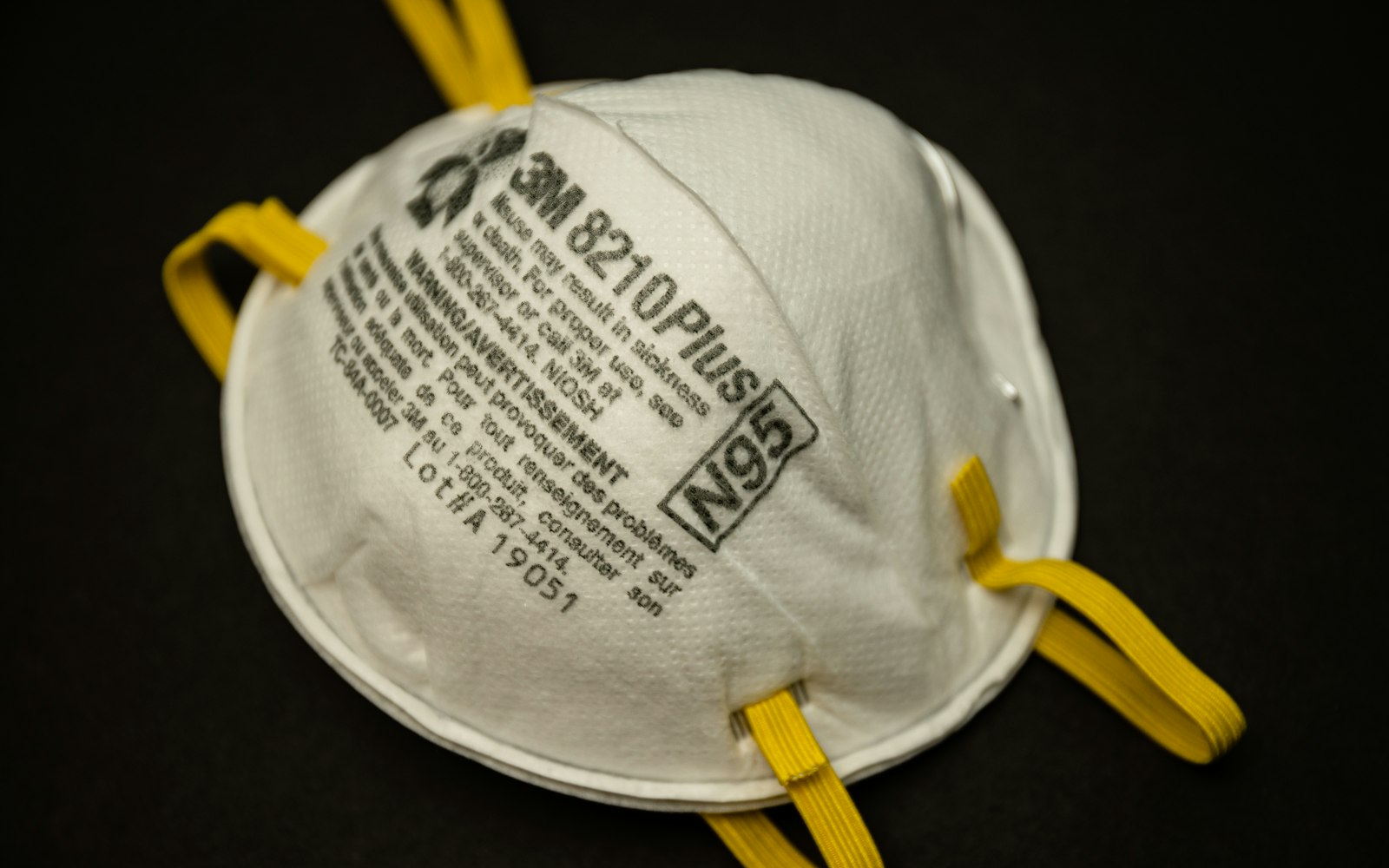
Quick answer: Older homes on East Hill may contain asbestos, vermiculite insulation and lead-based paint. They’re generally not a hazard when left undisturbed, but renovation can release dust and fibres. Test before you start, and hire licensed professionals for asbestos removal.
Many homes on East Hill were built before 1990, and plenty of them long before that. That’s part of the charm. It also means any renovation, even a small one, should start with a simple question: what’s in these walls, floors and attics?
Asbestos
Where it’s found
Health Canada says asbestos was widely used in construction before 1990. In older homes it may be found in:
- siding, cement and plaster;
- floor and ceiling tiles;
- roofing shingles and tar paper;
- some paints, putty and caulking;
- insulation around pipes, boilers and tanks.
WorkSafeBC notes asbestos has been found in more than 3,000 household materials. You can’t tell by looking; a lab test is the only way to know.
When it’s a concern
According to Health Canada, asbestos poses no significant health risk if it’s left undisturbed or properly sealed. The risk comes when drilling, sawing, sanding or demolition releases fibres into the air.
What to do
- Get your home tested before a renovation or demolition project, as WorkSafeBC advises.
- Don’t remove asbestos yourself. Health Canada recommends using a qualified removal specialist.
- Since January 1, 2024, asbestos abatement employers in BC must be licensed by WorkSafeBC, and their workers must be certified. You can check the Asbestos Abatement Licence Registry on worksafebc.com.
Vermiculite insulation
What it is
Vermiculite is a loose, pebble-like insulation, usually greyish-brown or gold, often found poured into attics or between wall studs. Health Canada says most vermiculite insulation came from a mine in Libby, Montana, that operated from the 1920s to 1990 and was often sold as Zonolite. That ore could contain asbestos.
What Health Canada advises
- Not all older vermiculite contains asbestos, but treat it as if it might.
- Don’t disturb it. Health Canada says there’s no evidence of risk if it stays sealed behind walls or isolated in the attic.
- Seal gaps and cracks around light fixtures and attic hatches.
- Don’t try to remove it yourself. If renovation will disturb it, hire trained professionals.
This one matters a lot if you’re planning an attic insulation upgrade or a heat pump installation that runs through the attic.
Lead-based paint
Which homes may have it
Health Canada says homes built before 1960 likely contain lead-based paint. Homes from 1960 to 1990 may have it on exterior surfaces. By 1990, consumer paint in Canada was virtually lead-free.
Why it matters
Lead exposure can cause serious health effects, and children are at the greatest risk. Old paint on windows, doors, trim and porches is especially likely to wear or chip.
What to do
- Health Canada notes that leaving lead paint alone can sometimes be safer than removing it, as long as it isn’t chipping or within reach of children.
- Don’t use sanders or heat guns, which create toxic dust and fumes.
- Hire a professional where possible.
- Keep children and pregnant people away from the work area.
- Dispose of waste according to local guidelines.
A simple pre-renovation plan
- Identify the age of the house and of any past additions or renovations.
- Book a hazardous materials test for the areas you’ll be disturbing.
- Adjust the plan and budget based on the results.
- Hire licensed abatement for asbestos before other trades start.
- Keep the paperwork. Test results and abatement reports are useful for future buyers and insurers.
If you’re planning a bigger project, my post on adding a suite or carriage house in East Hill and my older-home buying checklist are good next reads.
This is general information, not health or legal advice. Follow guidance from Health Canada and WorkSafeBC, and use qualified professionals for testing and removal.
Buying or selling
If you’re buying an older East Hill home and plan to renovate, consider testing as part of your due diligence so you can budget with real numbers. If you’re selling and have test results or abatement records, share them; they answer questions before buyers ask.
FAQ
Is it safe to live in a home with asbestos?
Health Canada says asbestos materials pose no significant health risk if they’re left undisturbed or sealed. The risk comes when they’re damaged or disturbed.
Can I remove vermiculite from my attic myself?
Health Canada advises against it. Leave it undisturbed, and hire trained professionals if renovation will disturb it.
How do I know if my paint contains lead?
Assume paint in a pre-1960 home may contain lead, and have it tested before sanding, scraping or stripping.
Planning to buy and renovate on East Hill? Call or text me at (250) 550-6979, or browse East Hill homes for sale.
More East Hill reading
- How to Renovate an East Hill Character Home Without Losing Its Charm
- Aging in Place in an Older East Hill Home: Renovations That Help
- Buying a Fixer-Upper in East Hill: Advice From Someone Who’s Built and Renovated 7+ Homes
Featured photo: stock image from Unsplash, for illustration.
