

 Facebook
 X
X
 Pinterest
 Copy Link
Quick answer: Most older East Hill homes can be made much easier to live in with a handful of targeted changes: safer entries and stairs, a main-floor bedroom and bathroom, a walk-in shower, grab bars and better lighting. BC also has a renovation tax credit for seniors and a rebate program for lower-income households with a disability that can help with the cost.
A lot of East Hill homes were built long before anyone talked about “aging in place.” Stairs up to the porch, narrow doorways, bathrooms upstairs and steep driveways are common. I’ve built and renovated more than seven homes over the years, and older houses can almost always be adapted. The trick is to spend on the changes that matter most for daily life.
Start with how you actually use the house
Before calling a contractor, walk through a normal day and note every spot that’s awkward or risky. Common trouble spots in older East Hill homes include:
- the front steps and porch, especially in winter;
- a single full bathroom on the second floor;
- steep, narrow basement stairs to the laundry;
- tubs with high sides;
- dim hallways and stairwells;
- round doorknobs and old taps that are hard to grip.
That list usually points straight to your priorities.
Renovations that make the biggest difference
Entries and stairs
- Sturdy handrails on both sides of every staircase, inside and out.
- Non-slip treads and good exterior lighting at the front steps.
- A second, easier entry, such as a side or back door closer to parking.
- Where the lot allows, a ramp or a gentler path to the door.
Main-floor living
The single most useful change in a two-storey character home is often creating a bedroom and full bathroom on the main floor. A dining room, den or back porch can sometimes be converted. This is also the change that tends to need permits, so plan it carefully.
Bathrooms
- A low-threshold or wheel-in shower in place of a tub.
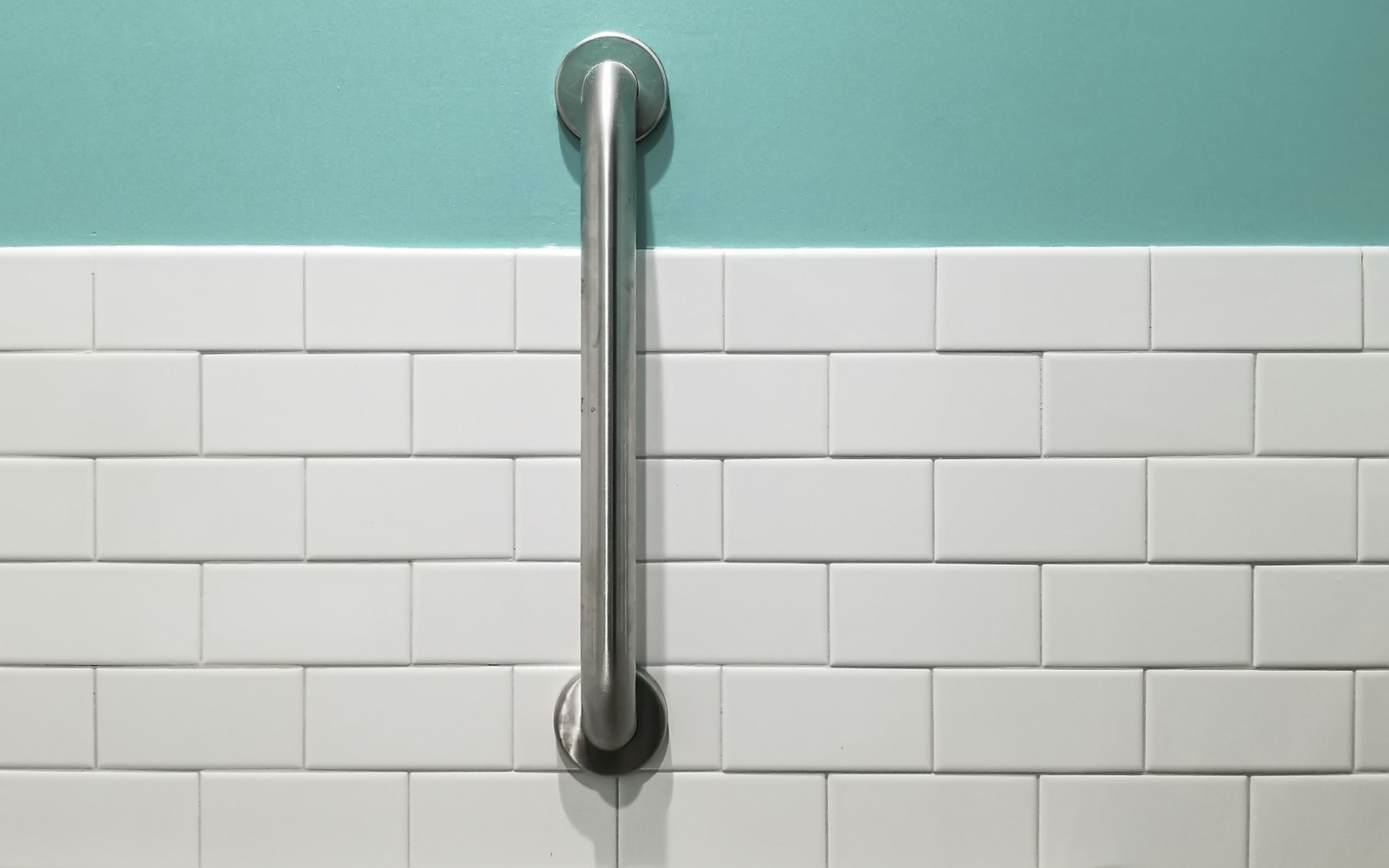
- Grab bars properly anchored into framing, not just drywall.
- A comfort-height toilet and a hand-held shower head.
- Lever-style taps and non-slip flooring.
Everyday details
- Lever door handles instead of knobs.
- Brighter, even lighting, with switches at both ends of halls and stairs.
- Moving laundry up from the basement if space allows.
- Widening key doorways if a walker or wheelchair is likely.
Older-home issues to deal with at the same time
If you’re opening walls anyway, it’s a good time to look at the bones of the house. Older Vernon homes can have original wiring, older plumbing, or aging heating systems. Dealing with these during an accessibility renovation can save money and disruption later. My post on buying an older home in East Hill lists the common items to check.
If your home is on the City of Vernon’s Heritage Register or is a protected heritage property, talk to the City before changing the exterior. Protected heritage properties need a Heritage Alteration Permit for exterior work.
Programs that can help pay for it (as of 2026)
BC home renovation tax credit for seniors and persons with disabilities
This refundable provincial credit is 10% of eligible renovation costs, up to $10,000 of expenses per year, for a maximum credit of $1,000. It’s available to BC residents 65 or older, people who qualify for the disability tax credit, and family members who live with them. Eligible work includes things like grab bars, walk-in tubs, wheel-in showers, ramps, widened doorways, lever handles and raised toilets. General items like appliances, regular flooring and heating systems don’t qualify.
BC Rebate for Accessible Home Adaptations (BC RAHA)
BC Housing’s BC RAHA program offers up to $20,000 for eligible home adaptations for lower-income households where someone has a permanent disability or loss of ability. You need approval before work starts, and some adaptations need an assessment from an occupational or physical therapist first.
Help with property taxes
Owners 65 and older can apply for a higher home owner grant, and owners 55 and older may qualify for the provincial property tax deferment program. The deferment interest terms changed for 2026, so read the current rules carefully.
This is general information only. Confirm eligibility and current amounts with the Province of BC, BC Housing, your accountant or your lawyer before you start work.
Permits and planning
Grab bars and lever handles don’t need a permit. Moving walls, adding a bathroom, changing plumbing or building a ramp might. Check with the City of Vernon’s building department before you start, and keep copies of permits and receipts. They help with tax credits now and with resale later.
FAQ
Can a two-storey character home work for aging in place?
Often, yes. The key is usually creating a main-floor bedroom and full bathroom, then adding handrails, better lighting and a safer entry.
How much is the BC seniors’ renovation tax credit?
As of 2026 it’s 10% of up to $10,000 in eligible accessibility renovation costs per year, for a maximum refundable credit of $1,000.
Should I renovate or sell?
It depends on the house, your budget and your health. If the changes needed are major, it’s worth comparing renovation costs with a move to a rancher or townhome. My East Hill FAQ has more on what’s available nearby.
Whether you’re adapting your current home or weighing a move, I’m glad to talk it through. Call or text me at (250) 550-6979, or browse East Hill homes for sale.
More East Hill reading
- Buying a Fixer-Upper in East Hill: Advice From Someone Who’s Built and Renovated 7+ Homes
- How to Renovate an East Hill Character Home Without Losing Its Charm
- Buying a Home With a Suite to Help Pay the Mortgage in East Hill
Featured photo: stock image from Unsplash, for illustration.
